
Radon testing and mitigation for Nelson, Castlegar, Trail and Kaslo

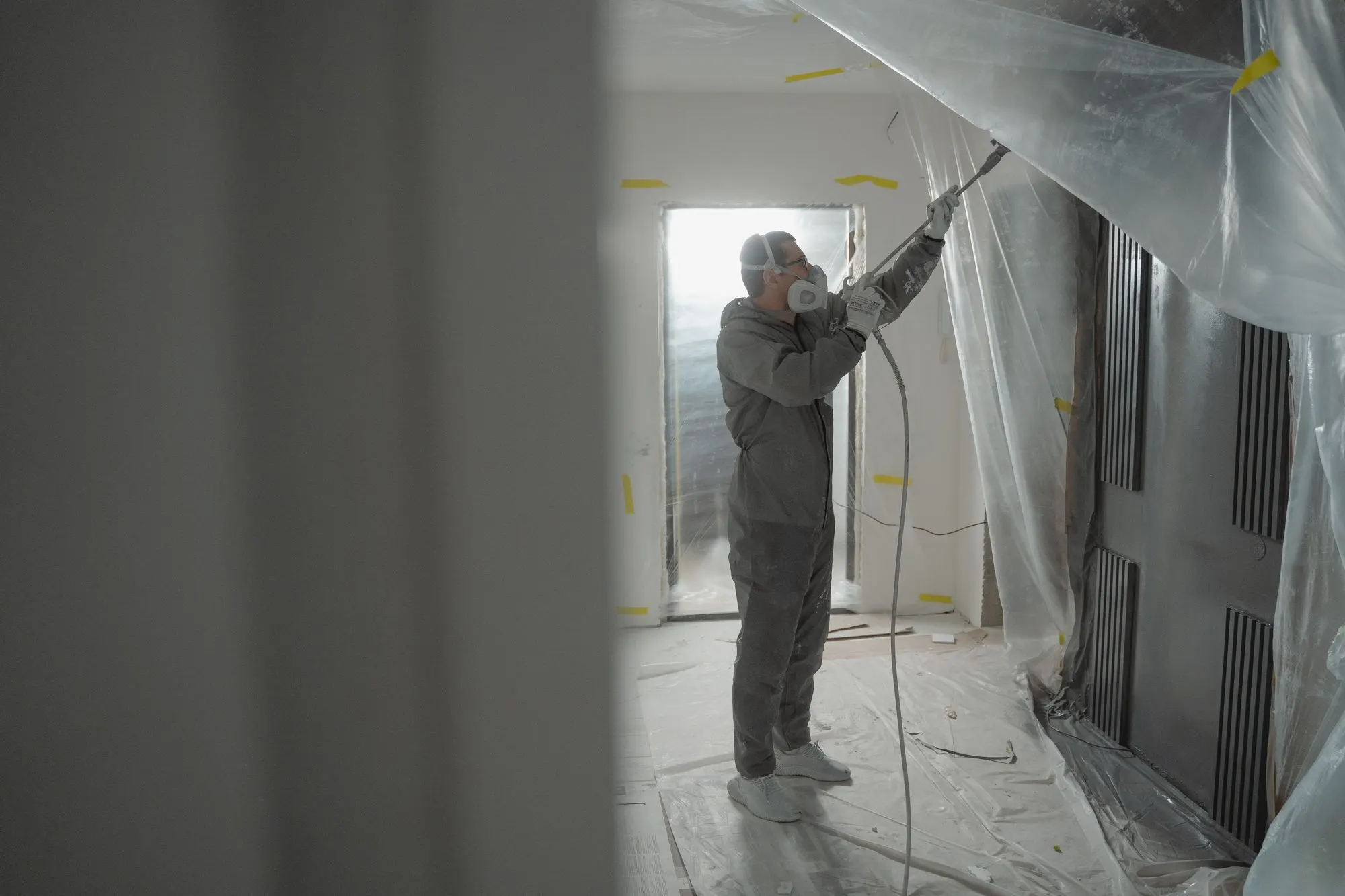
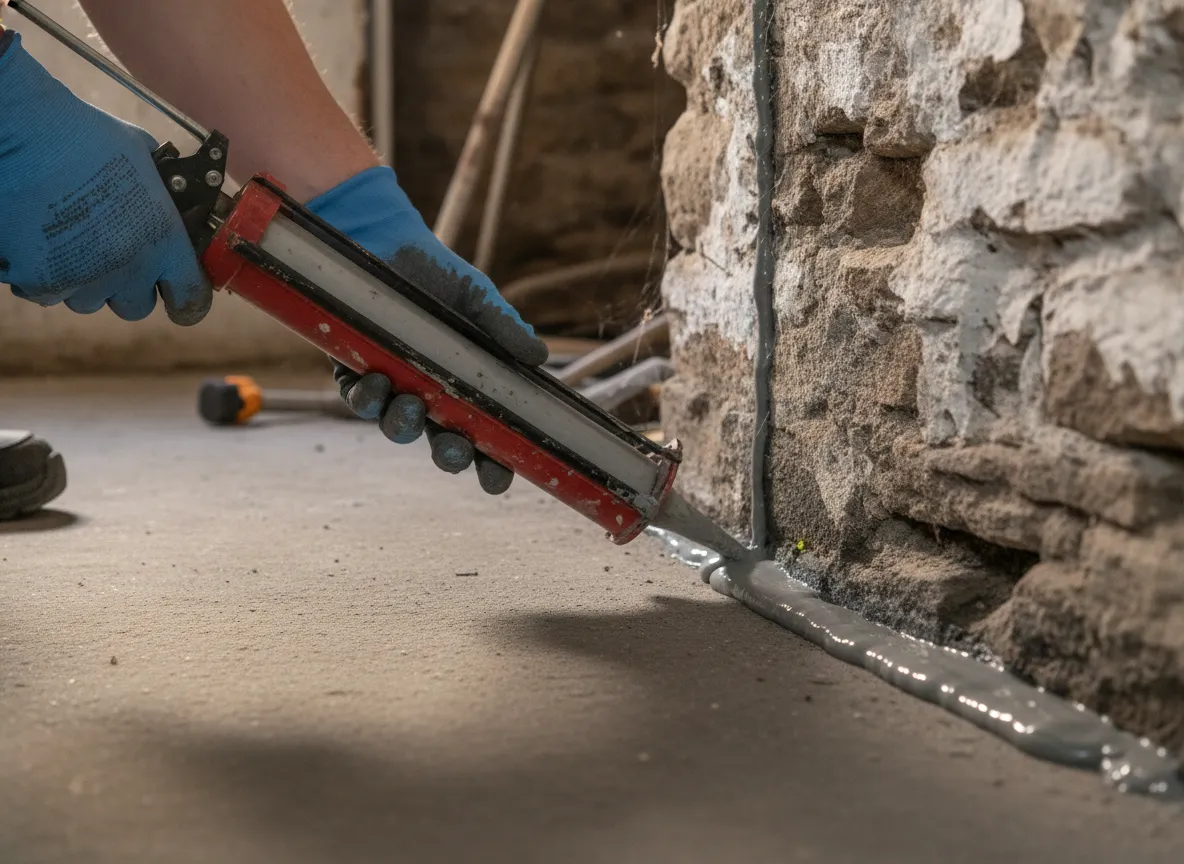
Worker in protective coveralls and a respirator sealing an interior wall behind plastic sheeting

Radon testing and mitigation in Nelson, BC

We test Nelson and West Kootenay homes for radon through the heating season and install sub-slab systems when a long-term result comes back high. Every number on this site names its source.

Canada's guideline is 200 Bq/m³ (becquerels per cubic metre), averaged over a test of at least 91 days. At or above it, Health Canada recommends a fix within one year.

We test Nelson and West Kootenay homes for radon through the heating season, and we install the systems that bring high readings down.

Test before you sell

A 91-day test takes three months, so starting one the winter before you list gives buyers a real number instead of a guess.

Numbers with sources

Every figure on this site names its source and, for test data, how many homes it covers, so you can check it.

Plain-English results

We explain what your number means against the 200 Bq/m³ guideline, what it does not tell you, and what to do next.

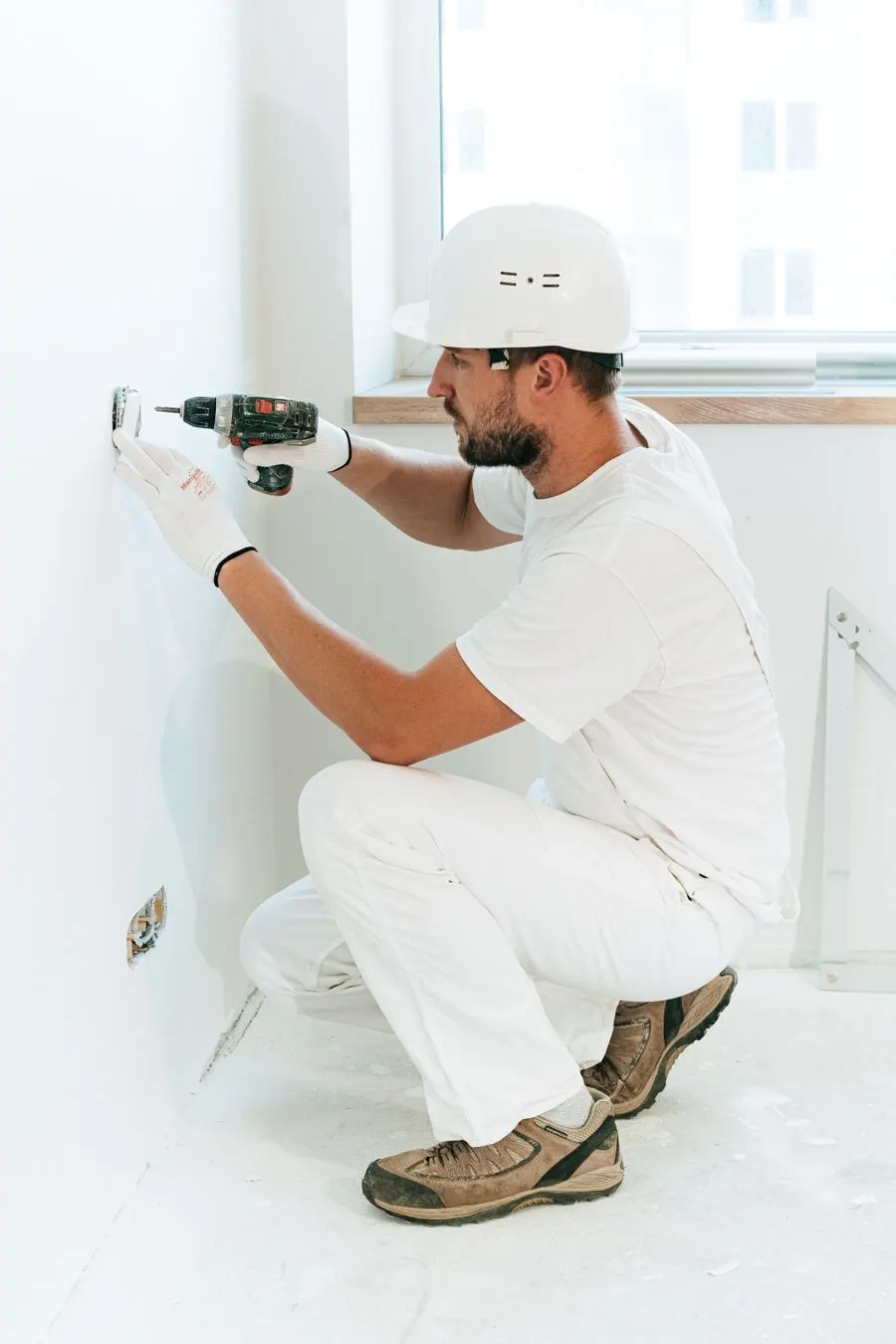
Installer in white work clothes drilling into a wall in a bright room

Test first. Fix only what the number calls for.

Every step starts from a measured result in your own house, not a guess based on your street.

  1. 01

    Test over winter

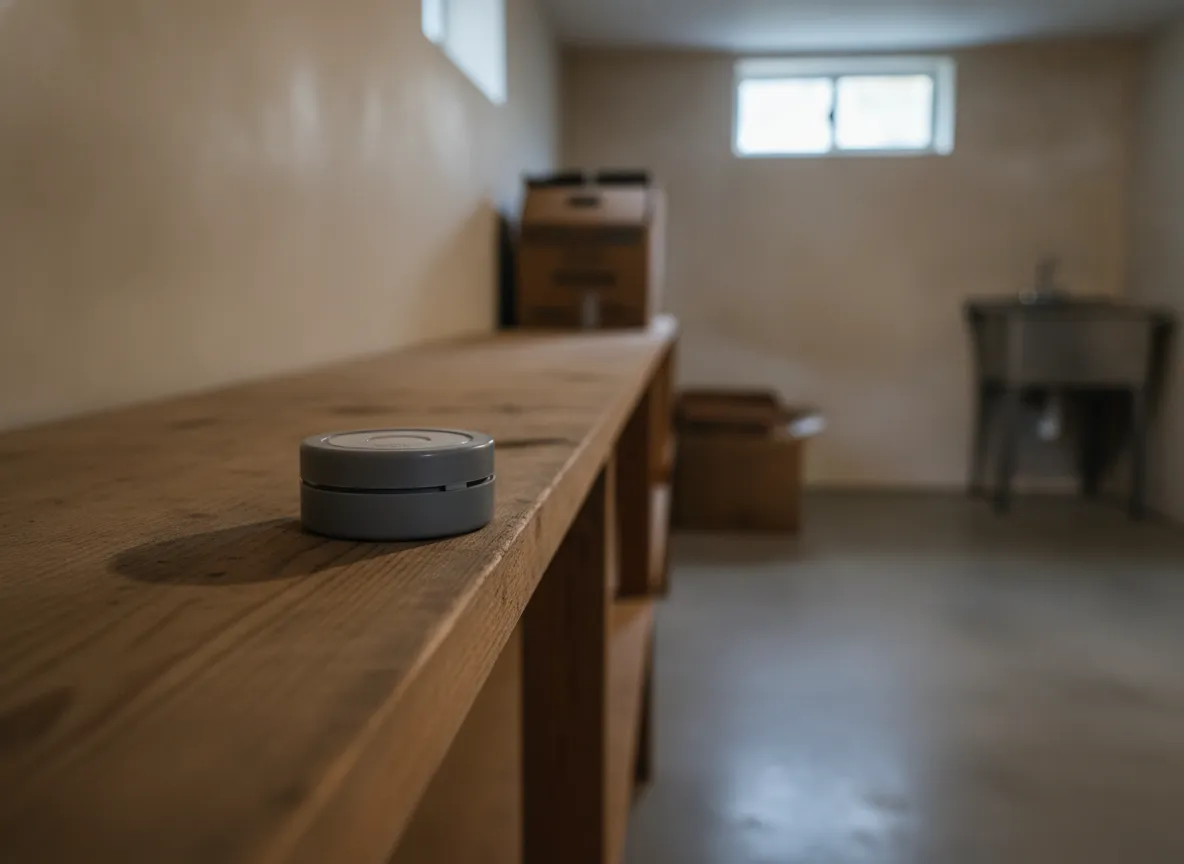
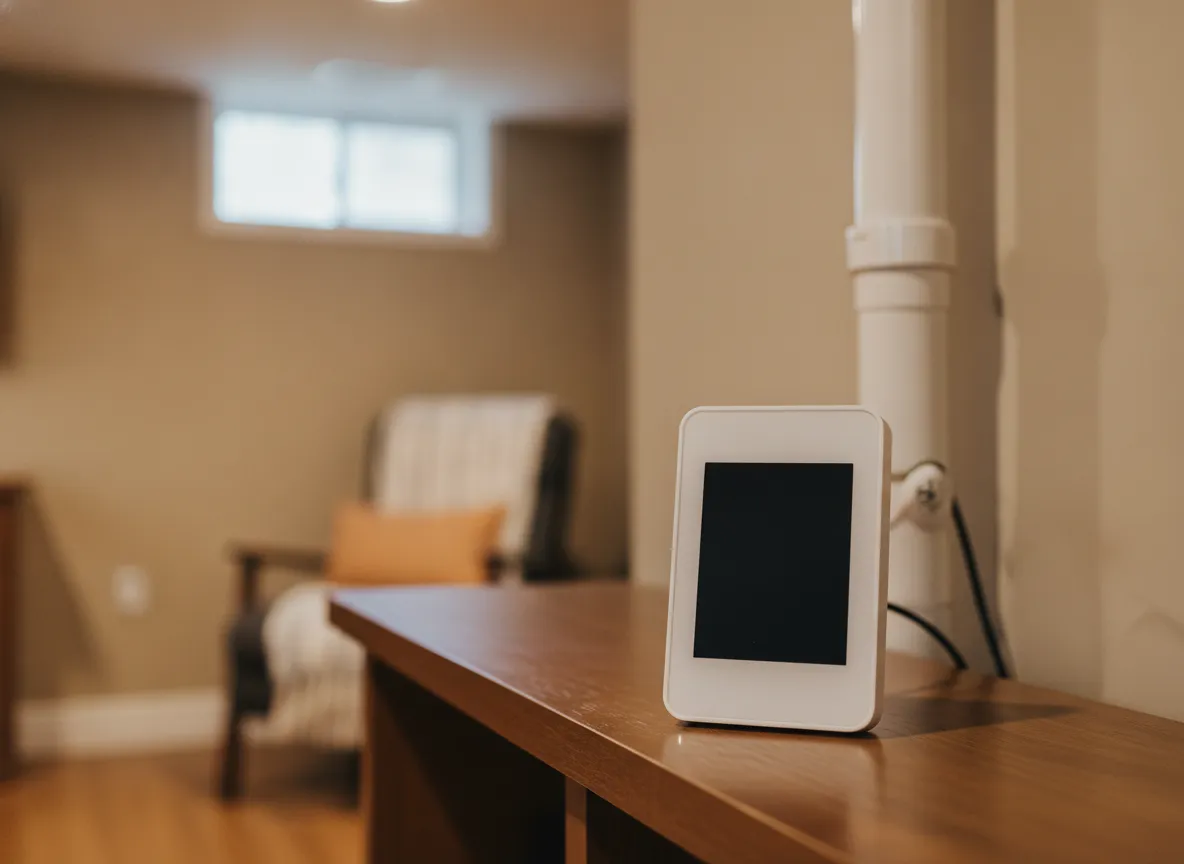
    We place a long-term kit or monitor on your lowest lived-in level for at least 91 days during the heating season, when radon readings run highest.

  2. 02

    Read the result

    Under 200 Bq/m³, plan to retest within five years. At or above it, Health Canada recommends fixing it within a year, and we explain your options.

  3. 03

    Fix and confirm

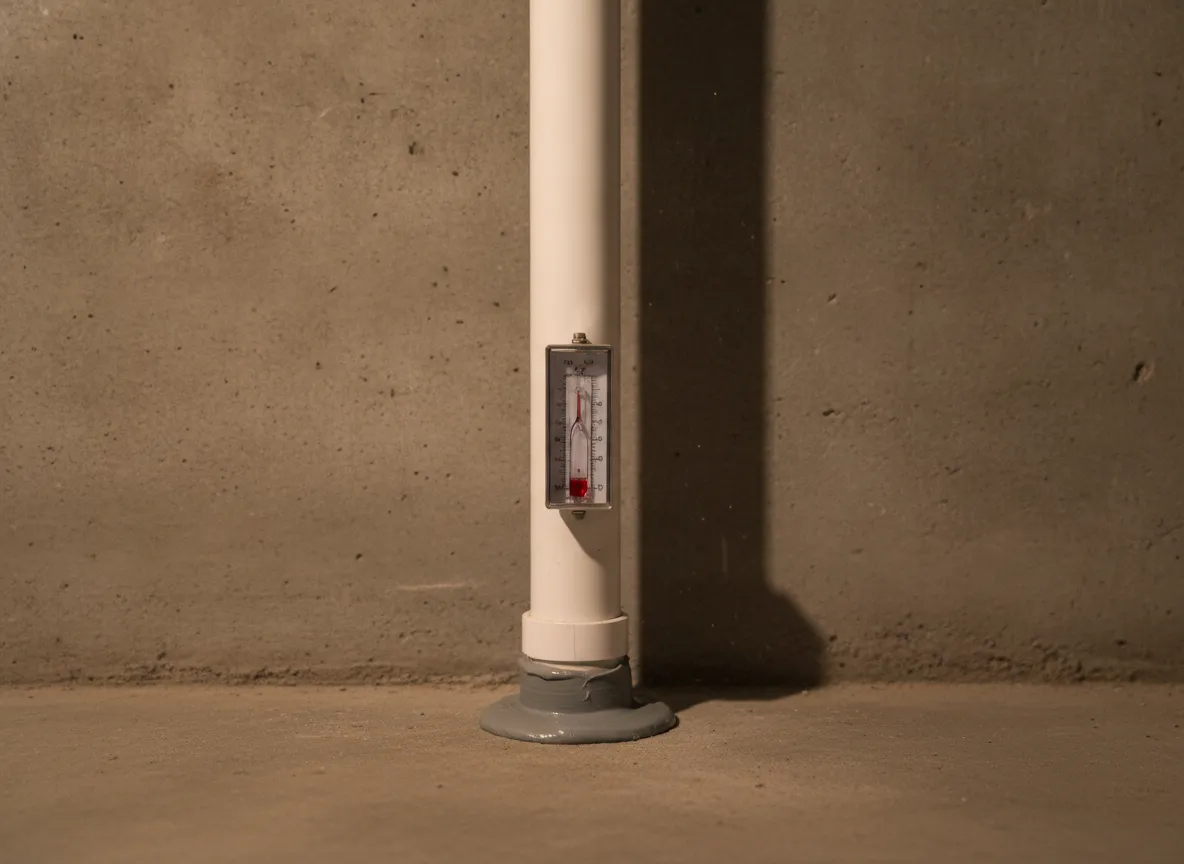
    If it is high, we install a sub-slab system, usually in a day, then check it with a short test and a 91-day test the following winter.

What tested homes around Nelson show

These figures come from tests homeowners chose to send in, and BC Lung notes that self-selected testing can overstate risk. Levels differ between neighbouring houses, so your number only comes from your own test.

Nelson

909 tested homes

37%

over 200 Bq/m³

37% of 909 tested Nelson homes were over 200 Bq/m³ (BC Lung community testing report).

Source: BC Lung community testing report

Castlegar

1,261 tested homes

48%

over 200 Bq/m³

48% of 1,261 tested Castlegar homes were over 200 Bq/m³ (BC Lung community testing report).

Source: BC Lung community testing report

Trail

472 tested homes

30%

over 200 Bq/m³

30% of 472 tested Trail homes were over 200 Bq/m³ (BC Lung community testing report).

Source: BC Lung community testing report

Sources we cite

  • Health Canada
  • BC Lung Foundation
  • Take Action on Radon
  • Interior Health
  • BC Building Code 2024
  • Canadian Lung Association

Where we test and install

We work in Nelson, Castlegar, Trail and Kaslo, and in nearby communities including Balfour, Salmo, Rossland and the Slocan Valley. Kaslo has a local test sample, but it is too small to put a figure on, which is why your own test matters there.

Radon testing and mitigation Nelson BC: how it works here

In Nelson, radon work follows the seasons. You test through the heating season with a 91-day kit, get the lab result in late winter or early spring, and fix the house only if the long-term average is at or above 200 Bq/m³. Health Canada says most systems go in within a day.

Nelson's houses shape the job. In the 2021 census, 2,265 of the city's 4,950 occupied dwellings were built in 1960 or earlier: about 46%, or nearly half. Across BC the share is 256,175 of 2,041,835, about one in eight (Statistics Canada). Another 1,120 Nelson homes date from 1961 to 1980.

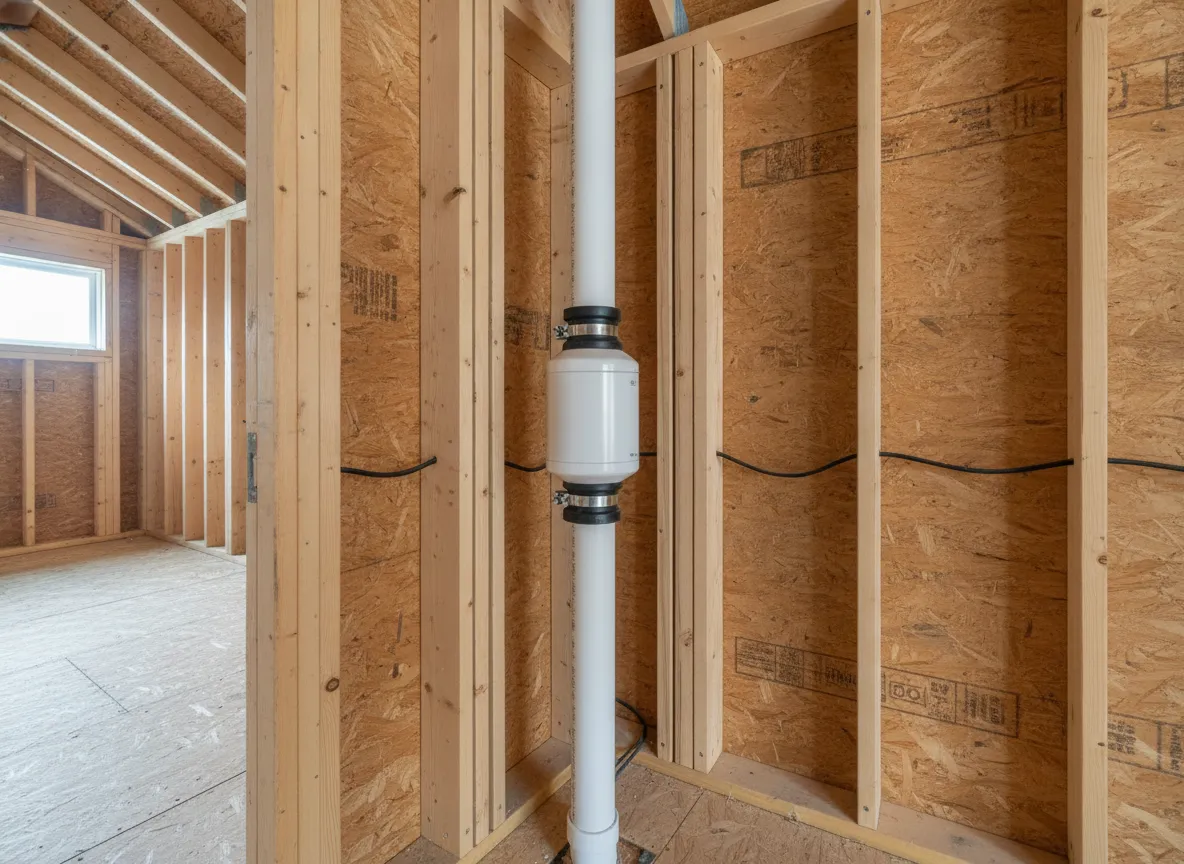
Age alone does not predict a reading. Research reported by The Tyee found new, tightly sealed homes can run highest, and that renovations sometimes raise levels in older ones. What age does predict is the shape of the fix. The quick installs The Tyee describes are newer homes with gravel under the slab and a radon pipe already in place. Most Nelson houses have neither, and many mix a basement with a crawl space, so plan on more work. Our cost page shows the published ranges.

Why we test in fall and winter, and where the test goes

Radon runs highest in the heating season, when windows stay shut and warm indoor air draws soil gas in (Take Action on Radon). BC's building code bulletin on radon recommends a three-month test in that season. A test placed in mid-November comes down in mid-February, and the lab reads it after that, so most households here get their number by spring.

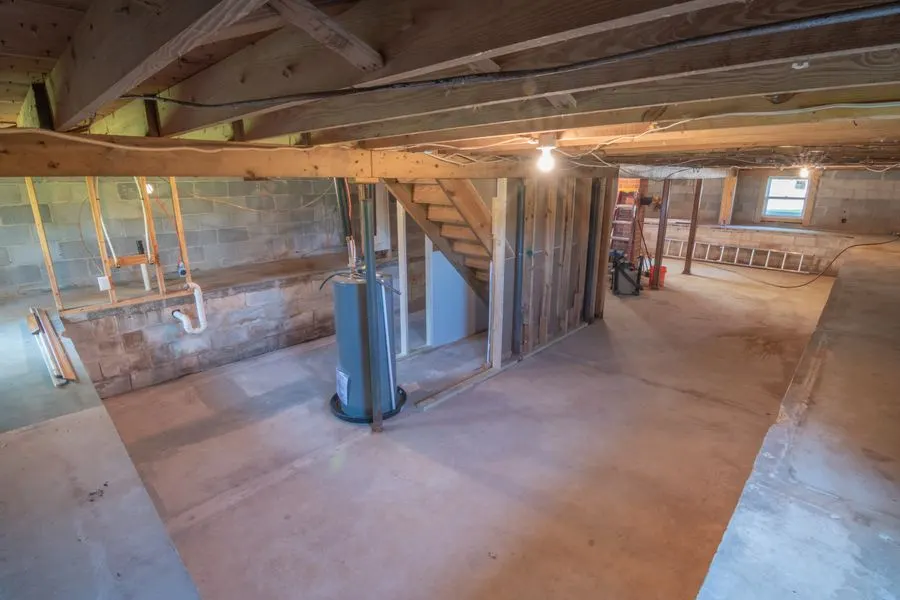
The test belongs in the lowest room where someone spends more than four hours a day, such as a basement bedroom, office or rec room. Health Canada leaves crawl spaces, unfinished basements, cold rooms and laundry rooms out of that count. If your house sits over a crawl space with no basement, the test goes on the main floor. More on kits and placement is on our testing page.

Rural homes on wells deserve a test too: research reported by The Tyee links groundwater wells to higher exposure in rural communities. We test the air in your house.

New builds and the 2024 rough-in rule

Houses with a building permit applied for on or after March 8, 2024 must have a radon rough-in under the BC Building Code: a gravel or similar layer under the slab and a labelled pipe running from it to the outside, ready for a fan. The code does not require the fan, and it does not require a test (BC bulletin B24-03).

Almost all of Nelson's housing predates that rule: the census counts just 220 dwellings built from 2016 to 2021, and even those came before it. If yours has the pipe, test first, then activate it with a fan only if the result calls for it. Tell us about your house on the quote form.

Radon questions from Nelson homeowners

General information, not medical advice. More answers on the radon FAQ.

Is radon a problem in Nelson, BC?

It is common enough to test for. 37% of 909 tested Nelson homes were over 200 Bq/m³ (BC Lung community testing report). Those are tests people chose to send in, and BC Lung says that can overstate risk compared with a random sample. Research reported by The Tyee in 2026 also names Nelson and Trail among BC towns where at least a quarter of residents are at or above the guideline. Your own house still needs its own test.

How long does a radon test take?

A long-term test runs at least 91 days. That is the length Take Action on Radon and Health Canada base the 200 Bq/m³ guideline on. Short tests of a few days only screen, because radon swings from day to day and season to season. If you start a test in mid-November, it comes down in mid-February and the lab result follows.

When is the best time to test for radon?

During the heating season, roughly fall through winter. Take Action on Radon says levels are generally highest then, because houses are sealed up and warm indoor air pulls soil gas inside. Summer tests with open windows tend to read low. If you missed the start of the season, a test placed in December or January still finishes before spring.

What radon level is too high?

Canada's guideline is 200 Bq/m³ averaged over a long-term test. At or above it, Health Canada recommends reducing the level within a year, and sooner the higher the reading. Health Canada also says no level is completely risk free, so the guideline marks where action is recommended. Below it, Take Action on Radon suggests retesting within five years.

How much does radon mitigation cost?

Mitigation is typically $1,500 to $4,000 in BC, more for crawl spaces or complex older homes. Activating an existing new-build rough-in is about $1,500 for a simple one-day job (The Tyee, January 2026). Those are published ranges, not our price for your house. Foundation type, what sits under the slab and how the pipe can run all move the number. Our cost page explains each driver.

Is there a grant for radon mitigation in BC?

There is no BC provincial funding; the Ministry of Health's support ended in 2017 (The Tyee). The Canadian Lung Association's Lungs Matter grant pays up to $1,500 for BC households with income up to $102,500 or a lung cancer diagnosis. It needs a long-term test over 200 Bq/m³ and a quote from a C-NRPP certified mitigator, and it cannot pay for finished work. Confirm current intake on lung.ca.

My new house has a radon pipe. Do I still need to test?

Yes. The 2024 BC Building Code requires the pipe but not a fan or a test, and Health Canada says homes with a passive pipe still need a 91-day test in the heating season. A passive pipe can lower radon, but nothing tells you by how much without a test. If the result is at or above 200 Bq/m³, a fan can be added to the existing pipe.

Can I go by my neighbour's radon result?

No. Take Action on Radon notes levels vary widely between homes on the same street, and BC's building code bulletin says the same about neighbouring houses. The soil under each foundation and how each house is built and sealed both matter. A neighbour's high result is a good reason to test, and a low one is not a reason to skip it.

How do I get a quote?

Use the quote form on this page. Tell us your town, whether you have a basement, crawl space or both, and any test result you already have. We reply by email within one business day. If you have not tested yet, testing comes first, because a system is only worth installing if a long-term result calls for one.

Sources (11)
  1. BC Lung: Report on Radon Community Testing (2023), Table 2 (accessed 2026-11-17)
  2. Statistics Canada: 2021 Census Profile, Nelson (CY), dwellings by period of construction (data table) (accessed 2026-11-17)
  3. Statistics Canada: 2021 Census Profile, British Columbia, dwellings by period of construction (data table) (accessed 2026-11-17)
  4. Take Action on Radon: How to test for radon (accessed 2026-11-17)
  5. Take Action on Radon: Protect yourself from radon (accessed 2026-11-17)
  6. Health Canada: Radon guideline (accessed 2026-11-17)
  7. Health Canada: Reducing radon levels in your home (accessed 2026-11-17)
  8. Health Canada: Reduce radon in your home, factsheet (September 2026) (accessed 2026-11-17)
  9. BC Building and Safety Standards Branch: Bulletin B24-03-R, Radon rough-in requirements (revised January 2025) (accessed 2026-11-17)
  10. The Tyee: Homeowners Left on Their Own to Deal with Deadly Gas (January 2026) (accessed 2026-11-17)
  11. Canadian Lung Association: Lungs Matter radon mitigation support (accessed 2026-11-17)

Request a radon quote

Testing, mitigation, rough-in activation or a retest. Tell us the town and what you know so far. We reply by email within one business day.

Costs and the grant: see radon mitigation cost and the Lung Association grant.

We reply by email within one business day.