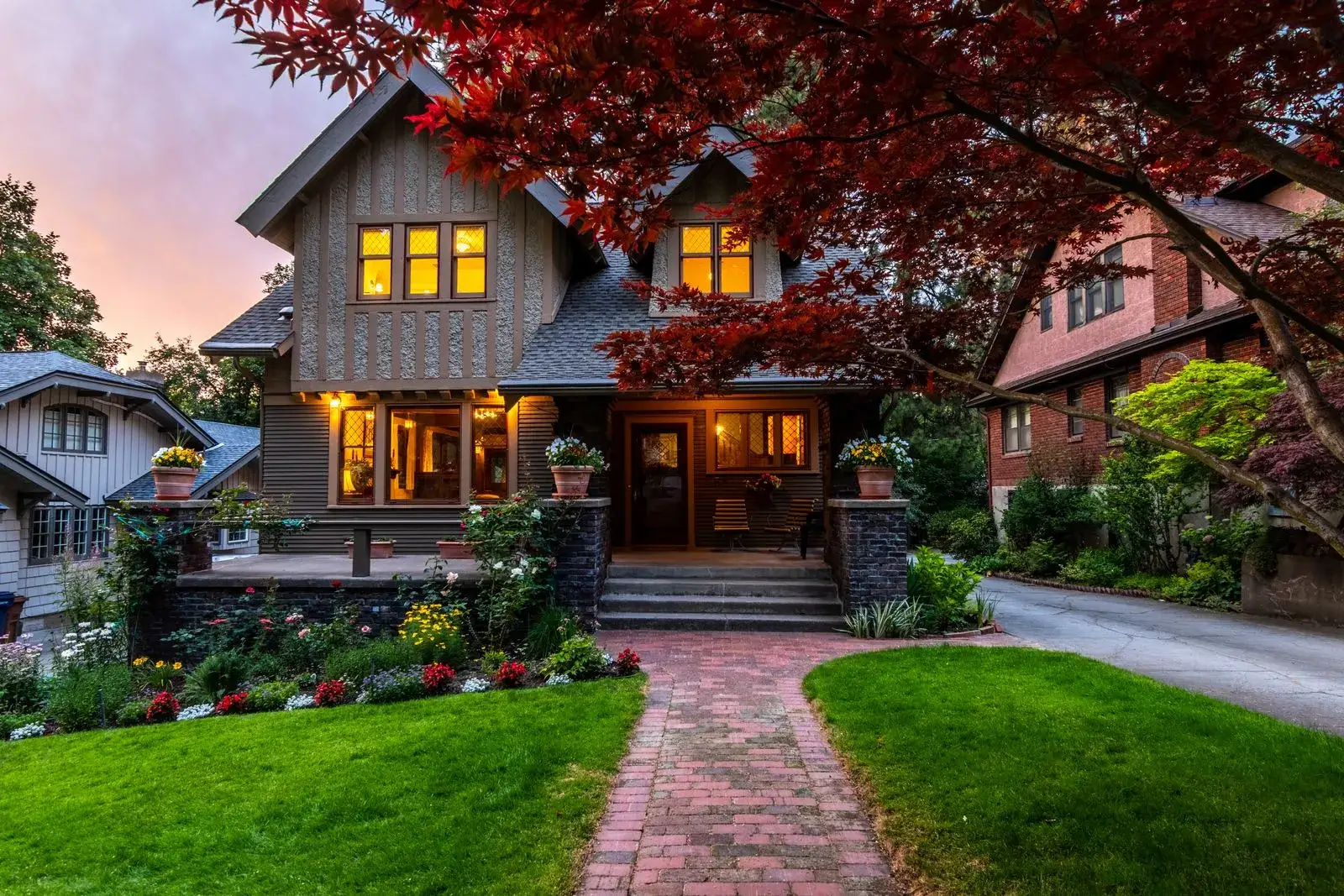
Radon mitigation cost Nelson BC: the published ranges
A sub-slab system is typically $1,500 to $4,000 in BC, more for crawl spaces or complex older homes. Activating a new-build rough-in is about $1,500 for a simple one-day job, and a long-term test kit is $50 to $200 depending on provider (The Tyee, January 2026).
| Item | Published range | Source |
|---|---|---|
| Sub-slab mitigation system | Typically $1,500 to $4,000 in BC, more for crawl spaces or complex older homes | The Tyee, January 2026 (see note on the upper figure below) |
| Rough-in activation | About $1,500 for a simple one-day job | The Tyee, January 2026 |
| Long-term test kit | $50 to $200 depending on provider | The Tyee, January 2026 |
| Post-mitigation retest | No published range found, so we do not quote one | None |
| Lungs Matter grant | Up to $1,500 toward mitigation, income-tested | Canadian Lung Association |
Where the mitigation range comes from
The $1,500 floor is The Tyee's figure for the simplest case: a newer home with gravel under the slab and a rough-in pipe already in place, done in a day. The same reporting says older, complex or non-compliant homes cost several thousand dollars.
The $4,000 figure is a working ceiling for an ordinary retrofit, not a measured average, and some houses go past it. The installer behind The Tyee's most expensive example, a four-day job in an older home with crawl spaces and reinforced concrete, said 90% of jobs cost less than that one. Take Action on Radon's national data from hundreds of installs puts the average inside this range, but its top end runs well above it. Treat the range as a guide to the ordinary job, and expect a hard house to sit higher.
What pushes a Nelson job up or down
Six things decide where a house lands. Each one traces to how a system is built, not to a price list.
| Driver | Why it changes the job | Source |
|---|---|---|
| Slab or crawl space | A slab takes a hole and a pipe; a dirt-floor crawl space needs a sealed membrane with suction under it | CAN/CGSB-149.12 checklist; The Tyee |
| What is under the slab | Gravel lets suction spread under the whole floor; without it, the system has to work harder to reach every corner | BC bulletin B24-03; The Tyee |
| Number of suction points | Each extra point means another hole, more pipe and possibly a bigger fan, sized from the communication test | CAN/CGSB-149.12 checklist |
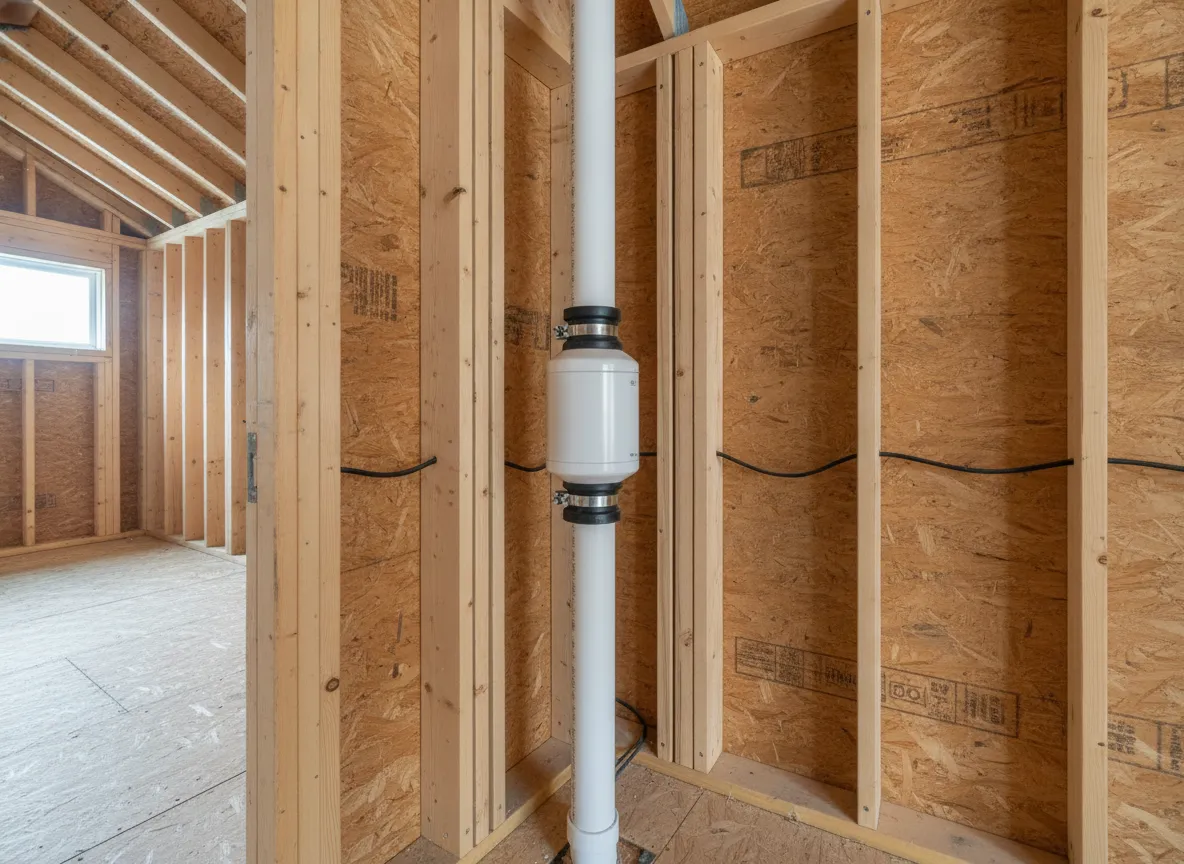
| Fan location and pipe route | A pipe up through the house to the roof uses rising warm air but crosses living space; a wall exit is shorter but must clear windows and property lines | BC bulletin B24-03 |
| Finished basement | The pipe has to be hidden in closets or boxed in with bulkheads, which adds carpentry | HCRA consumer guide |
| Older house | No rough-in, more sealing, mixed basement and crawl space; complex older homes run to several thousand | The Tyee |
In the 2021 census, about 46% of Nelson's occupied dwellings were built in 1960 or earlier, against about one in eight across BC (Statistics Canada). That points more Nelson jobs toward the older-house side of the range. It is an inference from housing age, not a measured Nelson price.
Running cost of the fan
The fan runs all the time, so it adds to your power bill. We have not found a published BC figure we trust, only directory estimates, so we do not quote one. The installation checklist built on the national standard expects the installer to hand over the fan's estimated annual energy use with the system paperwork. Ask for that figure in writing alongside any quote.
If cost is what is stopping you
You are not alone. In the Evict Radon National Study, reported by The Tyee in January 2026, one-third of respondents had elevated levels but took no further action because they could not afford to. A 2021 study by the same researcher found many who could not afford it were younger homeowners, often with young children.
BC offers no provincial money for radon testing or mitigation; the Ministry of Health's RadonAware funding ended in 2017 (The Tyee). The program open to BC households is the Canadian Lung Association's Lungs Matter grant: up to $1,500 for households with income up to $102,500 or a lung cancer diagnosis. It needs a long-term test result over 200 Bq/m³ and a quote from a C-NRPP certified mitigator, and it cannot pay for finished work. Funding is limited, so confirm current intake on lung.ca and ask any contractor for their C-NRPP number before you apply.
Health Canada's guideline itself says it does not intend homeowners to take on excessive or unreasonable costs. It also says most homes readily get below 200 Bq/m³ with standard methods.
Getting a number for your house
A price for your house needs details about it: foundation type, your long-term test result and where a pipe could run. Send those on the quote form and we reply by email within one business day. If your new build already has a radon pipe, start with rough-in activation. If you have not tested yet, radon testing comes first.
Questions we hear
How much does radon mitigation cost in BC?
Typically $1,500 to $4,000 in BC, more for crawl spaces or complex older homes. The low end is The Tyee's January 2026 figure for a simple one-day job in a newer home with gravel under the slab and a rough-in pipe. The Tyee puts older or complex homes at several thousand dollars. Your house needs its own quote.
Why do crawl spaces cost more?
A slab already forms a seal over the soil, so the system only needs a hole and a pipe. A dirt-floor crawl space has no such seal, so the ground has to be covered with a sealed membrane before suction can be drawn from under it, as the installation standard describes. That is more material and more hours in a tight space.
Does a radon rough-in make mitigation cheaper?
Yes. Activation is about $1,500 for a simple one-day job (The Tyee, January 2026), at the bottom of the full mitigation range. That price assumes the pipe actually runs to the outside and is clear. A missing, capped or blocked pipe turns it back into a full mitigation job.
What does it cost to run a radon fan?
We do not quote a figure, because we have not found a published BC number we trust. The fan runs all the time, so it uses some electricity every month. The installation checklist expects your installer to give you the fan's estimated annual energy use, so ask for it in writing with your quote.
Is there help paying for radon mitigation in BC?
Not from the province: BC's RadonAware funding ended in 2017 (The Tyee). The Canadian Lung Association's Lungs Matter grant pays up to $1,500 for BC households with income up to $102,500 or a lung cancer diagnosis, with a long-term result over 200 Bq/m³ and a quote from a C-NRPP certified mitigator. It cannot cover completed work, so apply before installation.
Sources (9)
- The Tyee: Homeowners Left on Their Own to Deal with Deadly Gas (January 2026) (accessed 2026-11-17)
- Take Action on Radon: Protect yourself from radon (accessed 2026-11-17)
- Radon mitigation system installation checklist based on CAN/CGSB-149.12 (March 2020) (accessed 2026-11-17)
- BC Building and Safety Standards Branch: Bulletin B24-03-R, Radon rough-in requirements (revised January 2025) (accessed 2026-11-17)
- Home Construction Regulatory Authority (Ontario): Radon consumer guide (accessed 2026-11-17)
- Statistics Canada: 2021 Census Profile, Nelson (CY), dwellings by period of construction (data table) (accessed 2026-11-17)
- Statistics Canada: 2021 Census Profile, British Columbia, dwellings by period of construction (data table) (accessed 2026-11-17)
- Health Canada: Radon guideline (accessed 2026-11-17)
- Canadian Lung Association: Lungs Matter radon mitigation support (accessed 2026-11-17)