Radon mitigation services Nelson BC: how a sub-slab system works
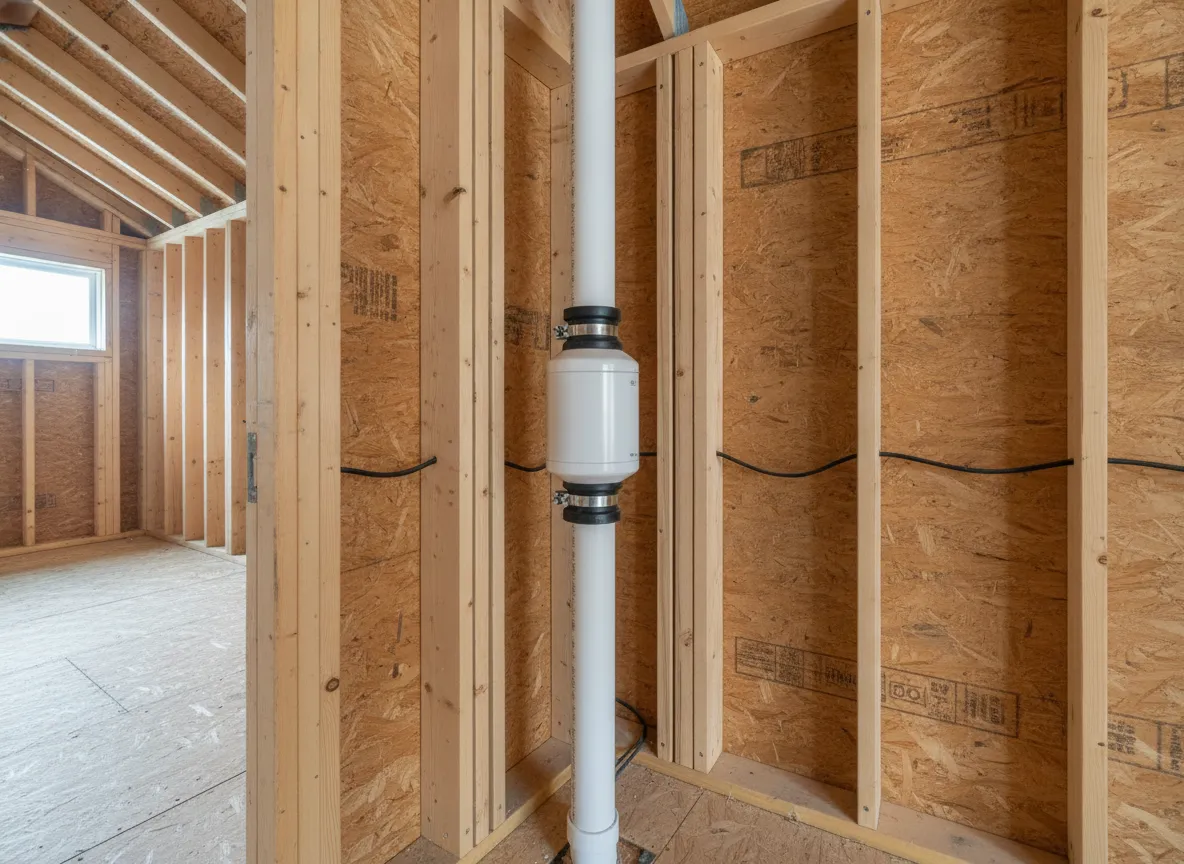
Sub-slab depressurization, also called active soil depressurization, is a pipe through the basement floor and a small fan that runs all the time. The fan pulls air from the gravel and soil under the slab and vents it outside before radon can seep into the house. Health Canada calls it the most common and most effective method.
Published figures for how well it works vary by source. Health Canada's September 2026 factsheet says a system typically lowers radon by more than 90%, and Interior Health says the same. Health Canada's own web page on reducing radon says more than 80% in most homes. Read that gap as the honest range for a typical house, not a promise for yours. Only a retest after the install shows what your system achieved.
Balanced ventilation, by comparison, generally cuts radon by only 20 to 50% and has to run constantly (Health Canada factsheet). That is why we install sub-slab systems rather than lean on air exchangers.
How we plan a system before drilling
Before the main hole, we drill small test holes in the slab and measure how suction travels underneath. This communication test, set out in the national installation standard CAN/CGSB-149.12 and described in The Tyee's walk-through of a typical job, decides where the suction point goes, how many are needed and what size of fan to fit. A suction point is simply where the pipe enters the gravel or soil under the floor.
A house with gravel under one continuous slab can often be served from one point. Slabs split by footings, or a basement beside a crawl space, can need more, and BC's code bulletin on radon notes a pipe may have more than one inlet for exactly that reason.
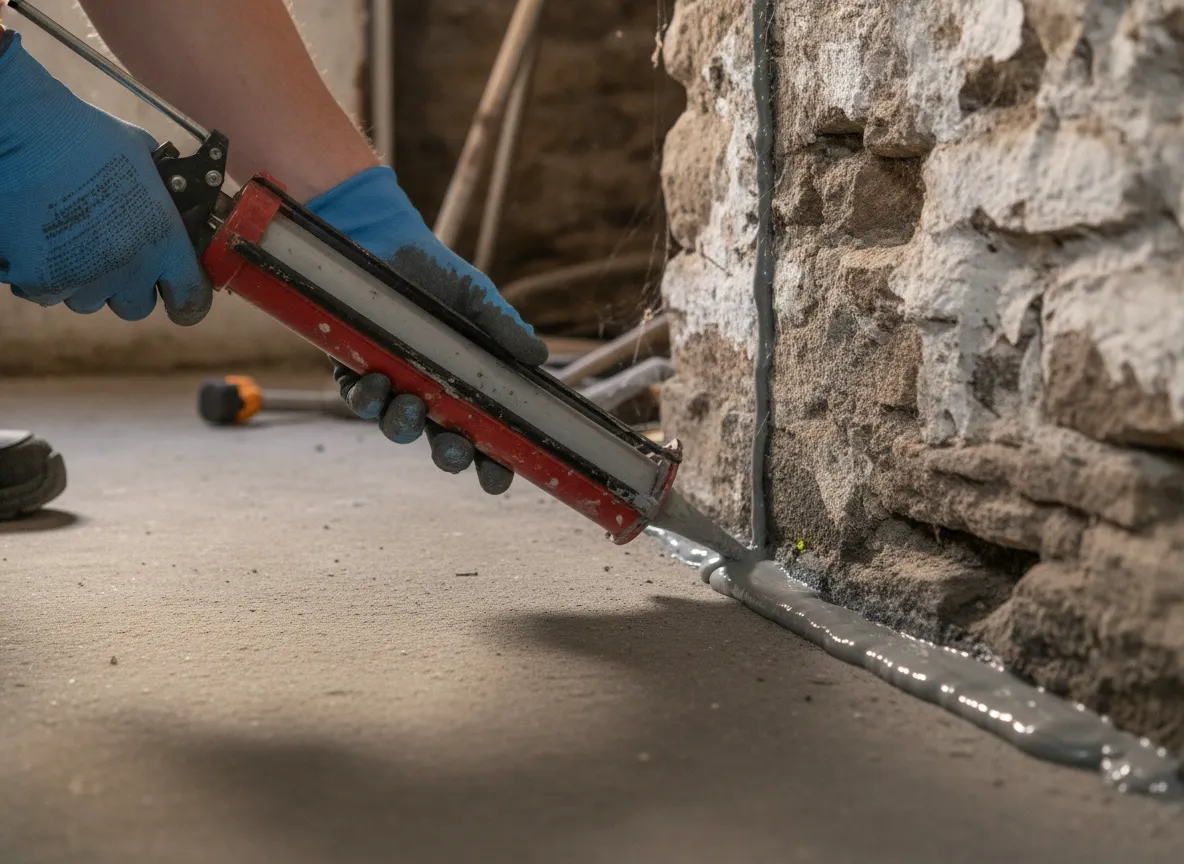
We also seal the openings the system would otherwise pull room air through: the joint where floor meets wall, drain and cleanout covers, gaps under tubs, furnaces and stair landings, and cracks. The installation checklist lists those spots and says sealing alone is rarely enough, which is why sealing is part of a system rather than a substitute for one.
Sumps and crawl spaces
A sump pit is an open path from the soil into the basement. Fitted with a sealed, airtight lid, it can sometimes serve as the suction point: Ontario's home construction regulator notes a system may be installed at the sump, and Health Canada's factsheet lists sump pits among the layouts a system is adapted to.
Where a house has a dirt-floor crawl space, we cover the ground with a sealed membrane and draw suction from under it: the same idea as a slab, with plastic in place of concrete. The installation standard treats sub-membrane suction the same way as sub-slab. Crawl space work takes longer, which is why the cost ranges run higher for these houses.
Where the fan goes and how you know it runs
The fan sits as close to where the pipe exhausts as practical, so the stretch of pipe under positive pressure stays out of your living space (BC bulletin B24-03). The exhaust has to clear windows and air intakes; for new-build rough-ins the same bulletin sets at least 3 m from a window or other inlet and 1.8 m from a property line.
Before the fan goes on, the installation standard calls for a depressurization test, which checks that the system will not pull exhaust from a furnace, water heater or fireplace back into the house. An installer quoted by The Tyee warns that an oversized fan can cause exactly that backdrafting.
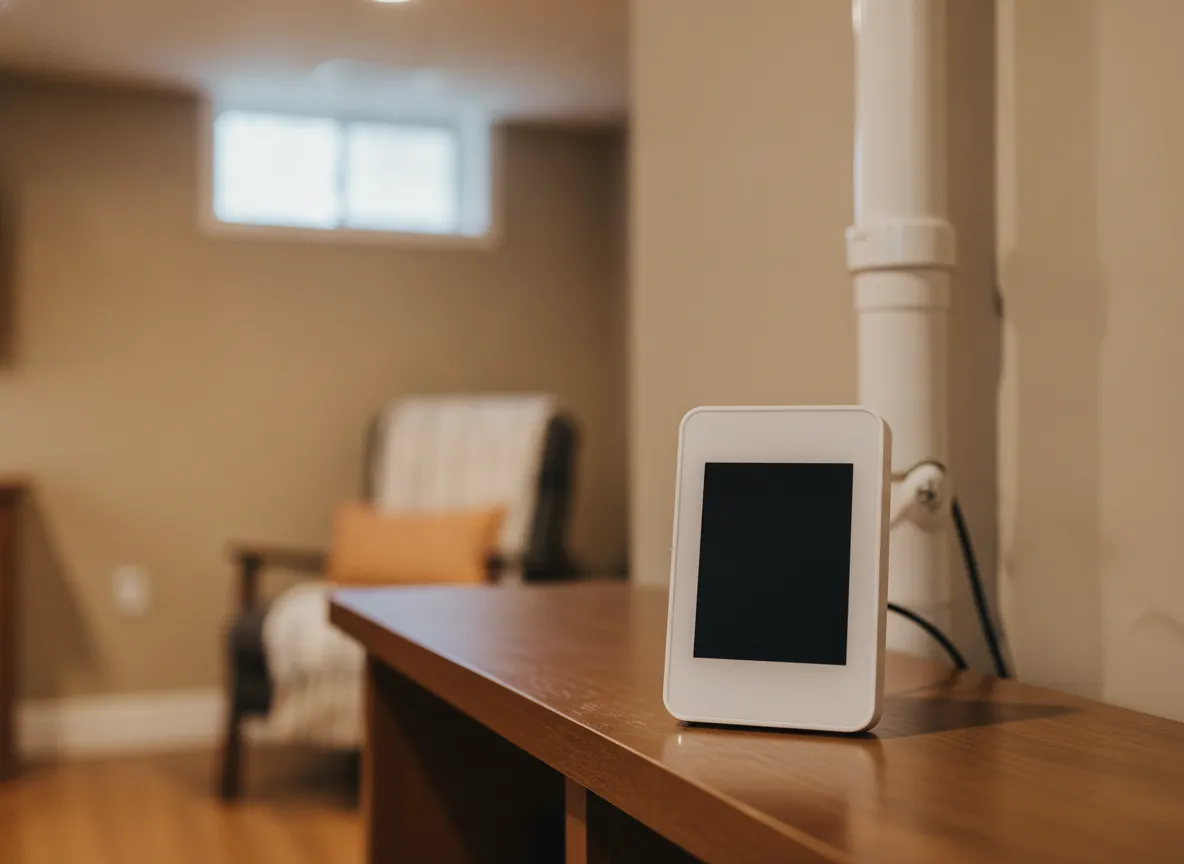
Every system gets a manometer: a U-shaped tube of coloured liquid on the pipe that shows the fan is pulling. It is zeroed before start-up and labelled with the starting pressure, so you can compare at a glance. Fans are quiet, and Ontario's regulator points out that the gauge is often how you learn one has stopped.
One day of work, then a retest
Most installs take a day; Health Canada says less than a day in most homes. Complex houses take longer. The hard older home in The Tyee's January 2026 story, with crawl spaces and thick reinforced concrete, took four days.
Once the fan runs, a short test starts about 24 hours later and runs at least 48 hours, then a long-term test goes in for the next heating season, as the installation checklist and Health Canada both set out. Our post-mitigation retesting page covers the schedule. You also get the paperwork the standard expects: system labels, fan manuals, your test results, the fan's estimated annual energy use and a recommended retest schedule.
Cost, the grant and getting a quote
Mitigation is typically $1,500 to $4,000 in BC, more for crawl spaces or complex older homes (The Tyee, January 2026). Our cost page explains what moves a job within that range.
If your household qualifies, the Canadian Lung Association's Lungs Matter grant pays up to $1,500. It requires a quote from a C-NRPP certified mitigator and cannot pay for work already done, so apply before anyone starts. Ask any contractor for their C-NRPP number.
Send your long-term test result on the quote form. We reply by email within one business day.
Questions we hear
How long does radon mitigation take?
Usually a day. Health Canada says a system can be installed in less than a day in most homes, and Interior Health says the same. Older or complex houses take longer: The Tyee's example of a home with crawl spaces and thick reinforced concrete took four days. The retest that proves the system works takes longer again, with a long-term test through the next heating season.
Will a radon fan be noisy or costly to run?
Radon fans are generally quiet, quiet enough that Ontario's home construction regulator tells owners to check the gauge to be sure one is running. The fan runs all the time, so it uses some electricity. We have not found a published BC running cost we trust, so we do not quote one. The installation standard expects you to receive the fan's estimated annual energy use.
Can I install a radon system myself?
Homeowners can, The Tyee reports, though Health Canada recommends hiring a radon mitigation professional. The main risk is the fan: an installer quoted in the same story warns that a fan that is too big can backdraft, pulling exhaust from a furnace or water heater into the house. If you plan to use the Lungs Matter grant, it requires a quote from a C-NRPP certified mitigator.
Does sealing cracks fix radon on its own?
Rarely. The installation checklist built on the national standard says sealing is needed to make a system work but alone is rarely enough to bring levels down far enough. Health Canada says sealing and ventilation help, but their effect is limited by how high the level is and how the house is built. Sealing is part of every system we install.
What if my level is still high after mitigation?
Then the system needs adjusting, which is why the retest matters. Health Canada says most homes readily get below 200 Bq/m³, and in a very small number of cases the level stays above it despite reasonable work. Adjustments can mean more sealing or another suction point. A long-term retest in the same spot as your first test shows where you stand.
Sources (9)
- Health Canada: Reduce radon in your home, factsheet (September 2026) (accessed 2026-11-17)
- Health Canada: Reducing radon levels in your home (accessed 2026-11-17)
- Health Canada: Radon guideline (accessed 2026-11-17)
- Interior Health: Take steps to test for radon today (November 2022) (accessed 2026-11-17)
- Radon mitigation system installation checklist based on CAN/CGSB-149.12 (March 2020) (accessed 2026-11-17)
- BC Building and Safety Standards Branch: Bulletin B24-03-R, Radon rough-in requirements (revised January 2025) (accessed 2026-11-17)
- Home Construction Regulatory Authority (Ontario): Radon consumer guide (accessed 2026-11-17)
- The Tyee: Homeowners Left on Their Own to Deal with Deadly Gas (January 2026) (accessed 2026-11-17)
- Canadian Lung Association: Lungs Matter radon mitigation support (accessed 2026-11-17)