Why doesn't a 91-day radon test fit a home sale?
Canada's radon guideline is an average: 200 Bq/m³ (becquerels per cubic metre) measured by a long-term test of at least 91 days, ideally through fall and winter (Take Action on Radon). Radon swings with weather, season and how the house is run, and Interior Health recommends testing in the cold months when levels are likely highest. A three-month test does not fit inside the few days or weeks a buyer usually has, and lab analysis adds time on top.
Nobody is cutting corners when a sale closes without a long-term result. The clock simply does not allow one, and that is why the useful decisions happen before the listing or after the keys change hands.
What can a short test or a digital monitor tell you during a sale?
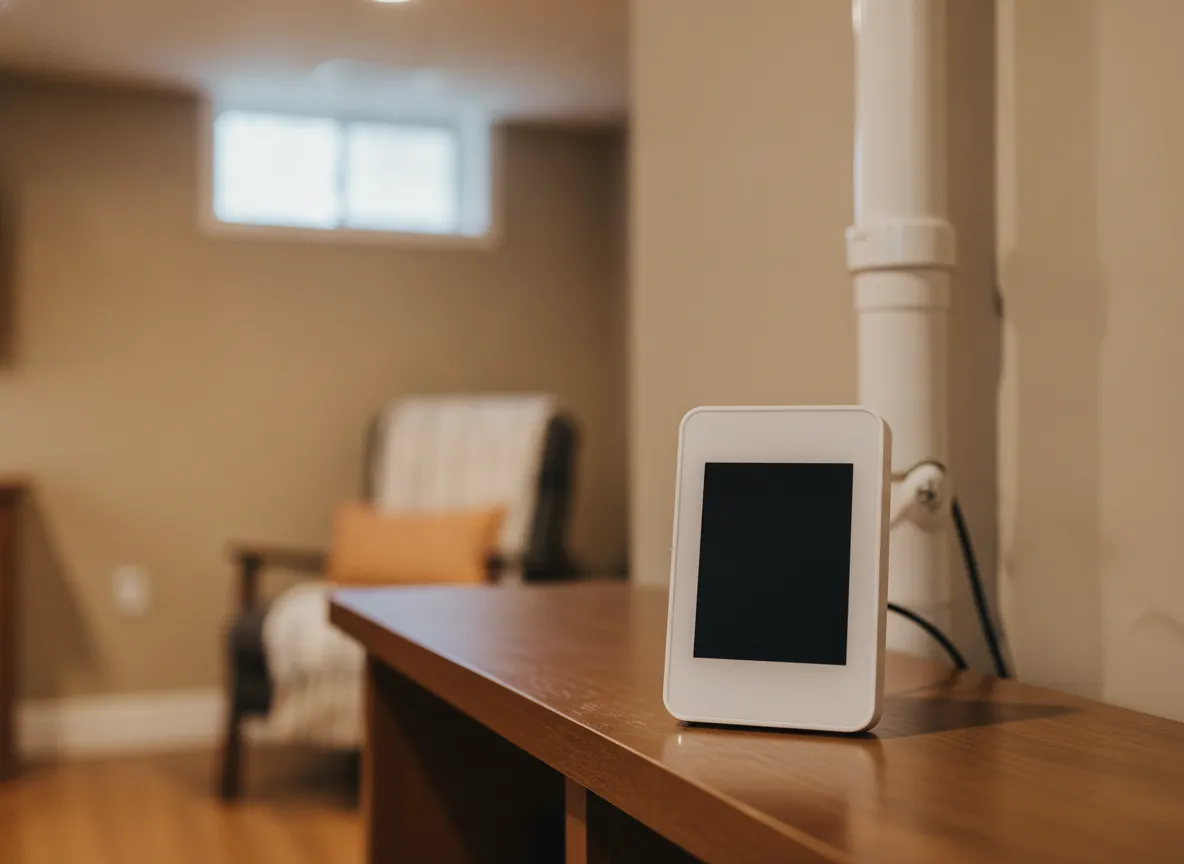
A short-term test, anything from a few days up to 90, or a few days of readings from a digital monitor, gives a snapshot. It works as a flag. A very high reading over several closed-up winter days is worth taking seriously. A low summer reading with the windows open means little. What no snapshot can do is settle whether the annual average is over 200 Bq/m³.
BCFSA's guidance for real estate professionals, summarizing Health Canada, is direct: short-term measurements are not acceptable for deciding whether a home needs remediation, and a short-term result should be followed by a long-term test in the same location. The Lung Association grant also asks for a long-term result of at least 90 days from a C-NRPP certified test kit, so a sale-period screening will not support a grant application later.
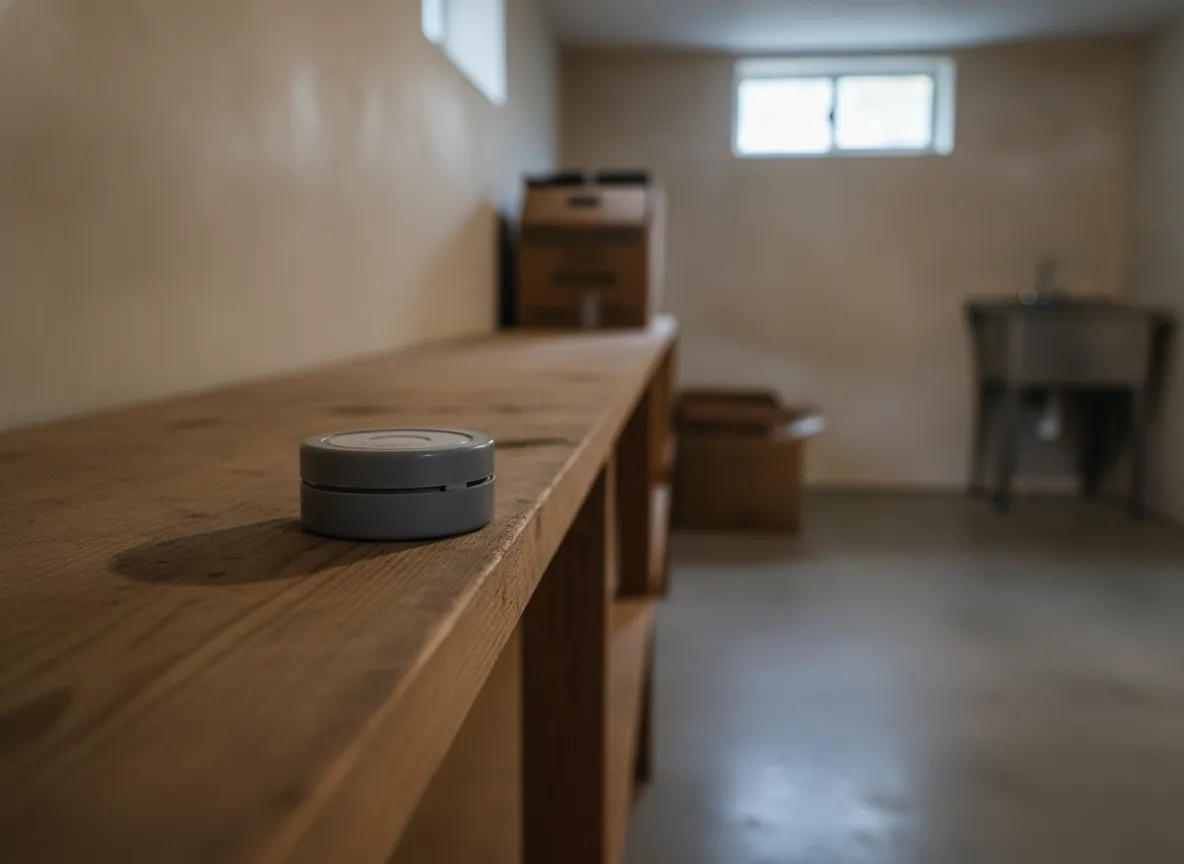
If a screening test does run during a sale, set it up properly. BCFSA's guidance says to test in the lowest level used four or more hours a day, 0.8 to 2 metres off the floor, away from sumps, crawl spaces, windows, vents and heaters. Keep the house closed up as it would normally be. Whoever runs it, whether buyer, seller, inspector or a radon service like ours, the result is a screen. We label short tests that way on the written result.
What do BC rules say about radon in a home sale?
No law requires anyone to test for radon before a sale (Interior Health, citing BCFSA). The duties attach to what people already know:
- BCFSA treats radon over 200 Bq/m³ as a material latent defect. A licensee representing a seller must disclose a known material latent defect to all parties before an agreement is entered into.
- A licensee representing a buyer must use reasonable efforts to discover relevant facts about the property.
- Interior Health, citing BCFSA, says a seller asked about radon must answer truthfully or acknowledge refusing to answer, and that levels below 200 Bq/m³ do not have to be disclosed.
- The Tyee (2026) sums up the licensee duty as advising clients about radon and asking about known levels, with no requirement to test or to share completed results.
Why do those rules seem to disagree?
Read side by side, The Tyee's 'no requirement to share' and BCFSA's 'must disclose a known material latent defect' look like a contradiction. They describe different situations. Nobody has to produce a test that was never done, or volunteer a result under the guideline. A licensee who knows of a reading over 200 Bq/m³ is in a different position. An older BC Lung question-and-answer sheet from the RadonAware years says flatly that no BC legislation requires disclosure, which is a reminder to check the date on anything you read about this.
Awareness has also moved. A 2018 BC Lung survey found 94% of BC agents were unaware of the radon guidelines and standards that applied to them (reported by The Tyee in 2026). Interior Health wrote in January 2025 that agents now have radon training and checklists available. Ask your agent directly either way. Your realtor and your lawyer are the people to apply any of this to your sale; we do not give legal or real estate advice.
What are the practical options for buyers and sellers?
For sellers, the clean option is to test before listing. Start a long-term test in fall or winter, give it at least 91 days, and go to market with a lab result instead of a question mark. If it comes back over 200 Bq/m³, you can fix it and retest first, or disclose it with a quote attached. Mitigation is typically $1,500 to $4,000 in BC, more for crawl spaces or complex older homes (The Tyee, 2026; BC Lung); our cost page explains what moves the number.
For buyers, start by asking. Has the house been tested, when, with what device and on which floor? A long-term result from a recent heating season is worth more than anything you can collect during subjects. With no result, a screening test during subjects can flag a problem, and a proper long-term test belongs in your first winter in the house.
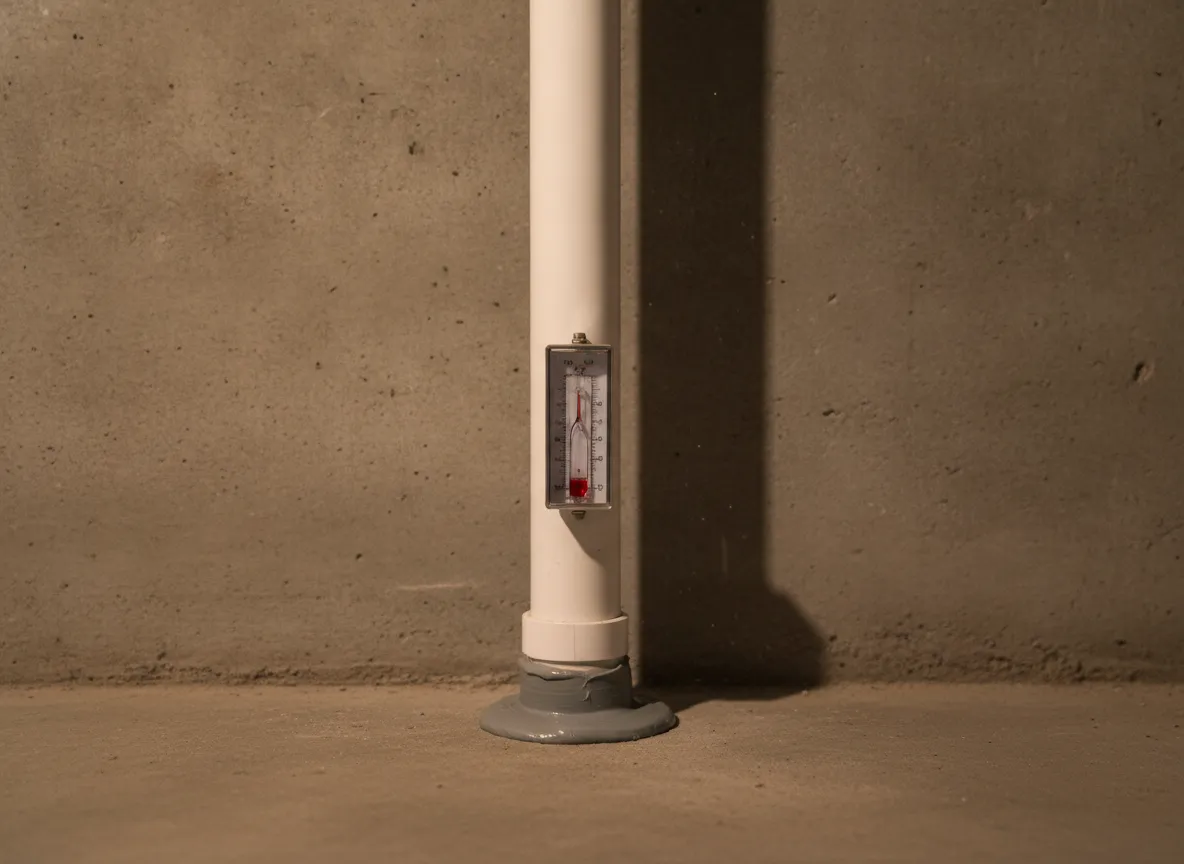
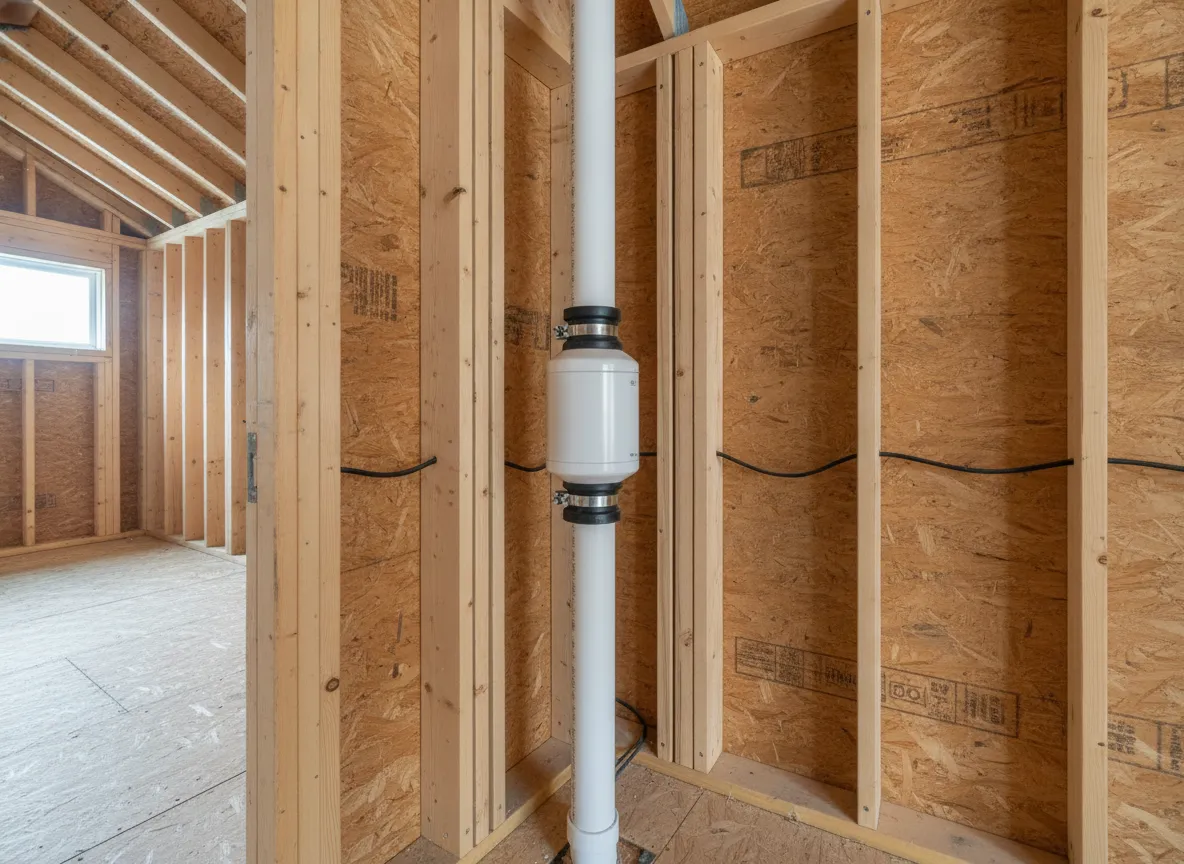
Some buyers and sellers agree on terms that deal with a later result, such as a holdback (money held back from the sale proceeds until a test is done) or a price adjustment. Whether either suits your deal, and how it would be written, is a conversation for your realtor or lawyer. A newer house is not exempt from any of this: rough-ins have been required province-wide only since March 2024, and a pipe without a fan is not a working system. Our post on rough-ins and fans covers that case.
If you plan to list this winter or have just moved in, a long-term radon test is where we start. Tell us your timeline on the quote form and we will say what can and cannot be measured in time. We reply by email within one business day.
Questions we hear
Can a radon test be a condition of sale in BC?
Parties can agree on conditions, but a proper long-term test takes at least 91 days, which rarely fits a subject period. A short test during subjects can only screen, and BCFSA's guidance says short-term results should not decide whether a home needs remediation. Talk to your realtor or lawyer about how any radon term would be written; this is general information, not legal advice.
Does a seller in BC have to disclose a radon test result?
BCFSA treats radon over 200 Bq/m³ as a material latent defect that a seller's licensee must disclose if known. Interior Health, citing BCFSA, says results below 200 Bq/m³ do not have to be disclosed, but a seller asked directly must answer truthfully or acknowledge refusing to answer. Ask your realtor or lawyer how this applies to your sale.
Sources (8)
- Take Action on Radon: Creston 100 Radon Test Kit Challenge community report (August 2026) (accessed 2026-11-17)
- Interior Health: Radon in Your New Home (September 2024) (accessed 2026-11-17)
- Interior Health: What to do if you have high levels of radon in your home (January 2025) (accessed 2026-11-17)
- BC Financial Services Authority: Radon Precautions Information (accessed 2026-11-17)
- Canadian Lung Association: Lungs Matter, Radon Mitigation Support (accessed 2026-11-17)
- The Tyee: Homeowners Left on Their Own to Deal with Deadly Gas (January 2026) (accessed 2026-11-17)
- BC Lung: RadonAware frequently asked questions (accessed 2026-11-17)
- Health Canada: Radon guideline (accessed 2026-11-17)