Why a working fan is not proof
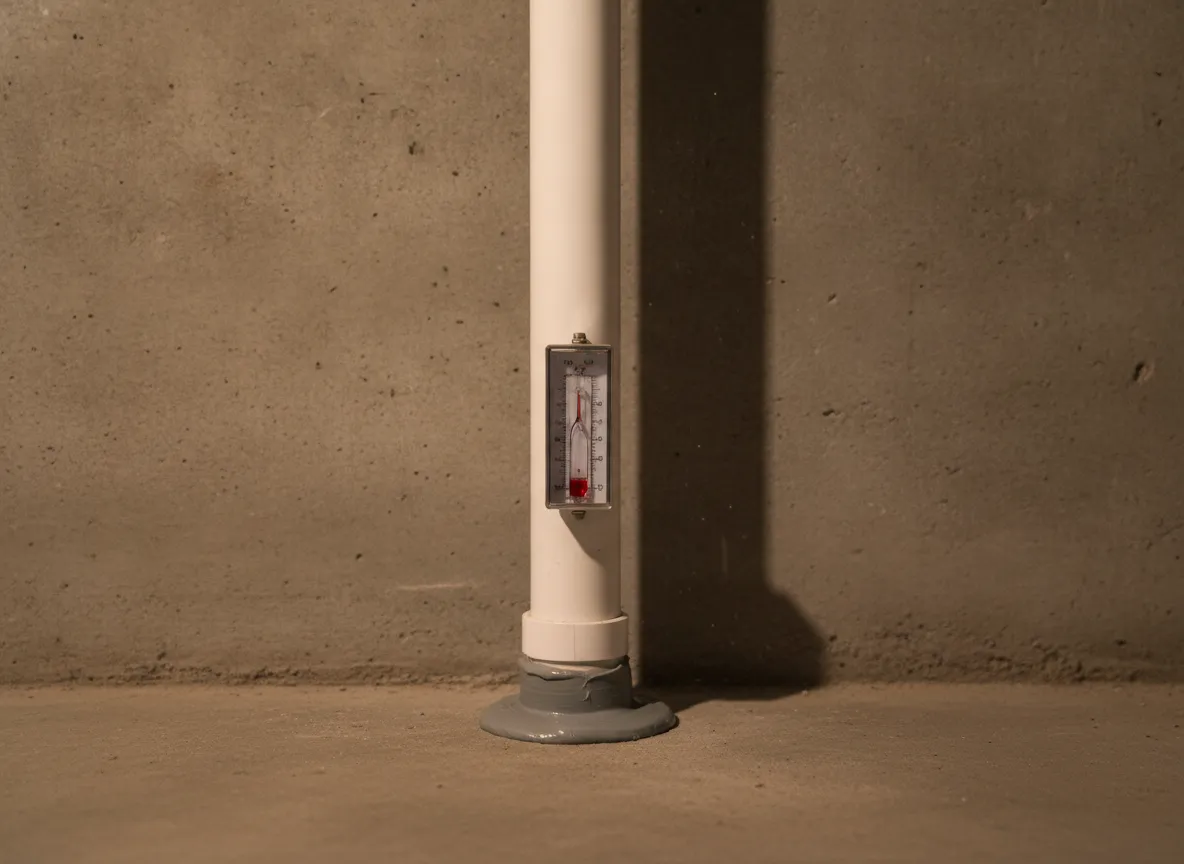
The manometer on your pipe, the small liquid gauge, shows suction, not radon. A fan can pull hard and still miss part of a slab, a crawl space or a gap nobody sealed. Health Canada's guideline notes that most homes readily get below 200 Bq/m³, but in a very small number the level stays above it despite reasonable work. Only a test in the rooms you live in tells you which group your house is in.
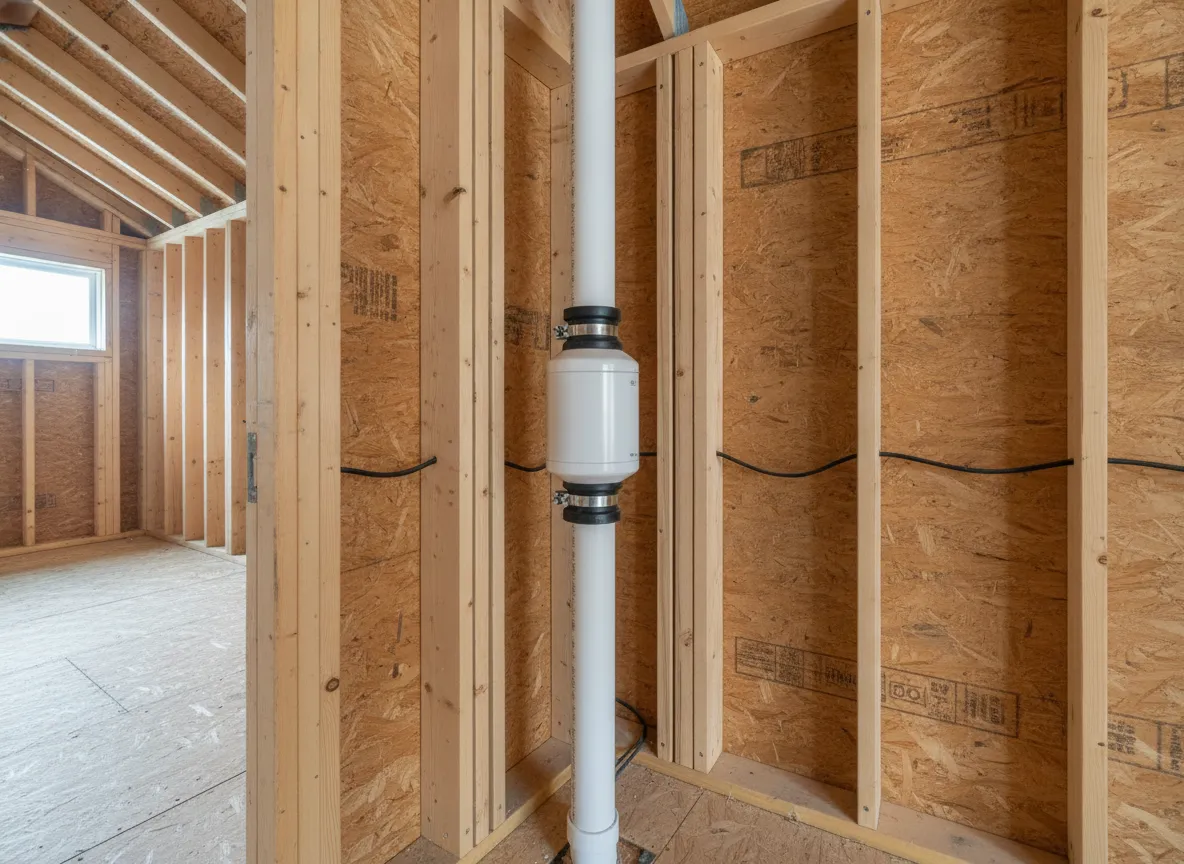
The same applies to a rough-in that has been activated. Adding a fan changes how the pipe performs, and only a test shows by how much.
The retest schedule Health Canada sets out
Health Canada's September 2026 factsheet lays out three checks after a system goes in:
- A short-term test once the system is on. The installation checklist built on the national standard, CAN/CGSB-149.12, starts it about 24 hours after the fan starts and runs it for at least 48 hours.
- A long-term test of 91 days or more during the first heating season after the install, in the same location as the original test.
- A long-term test every five years after that, plus regular inspection of the system.
We put each test where your original one sat, so the before and after numbers compare like with like.
What each retest tells you
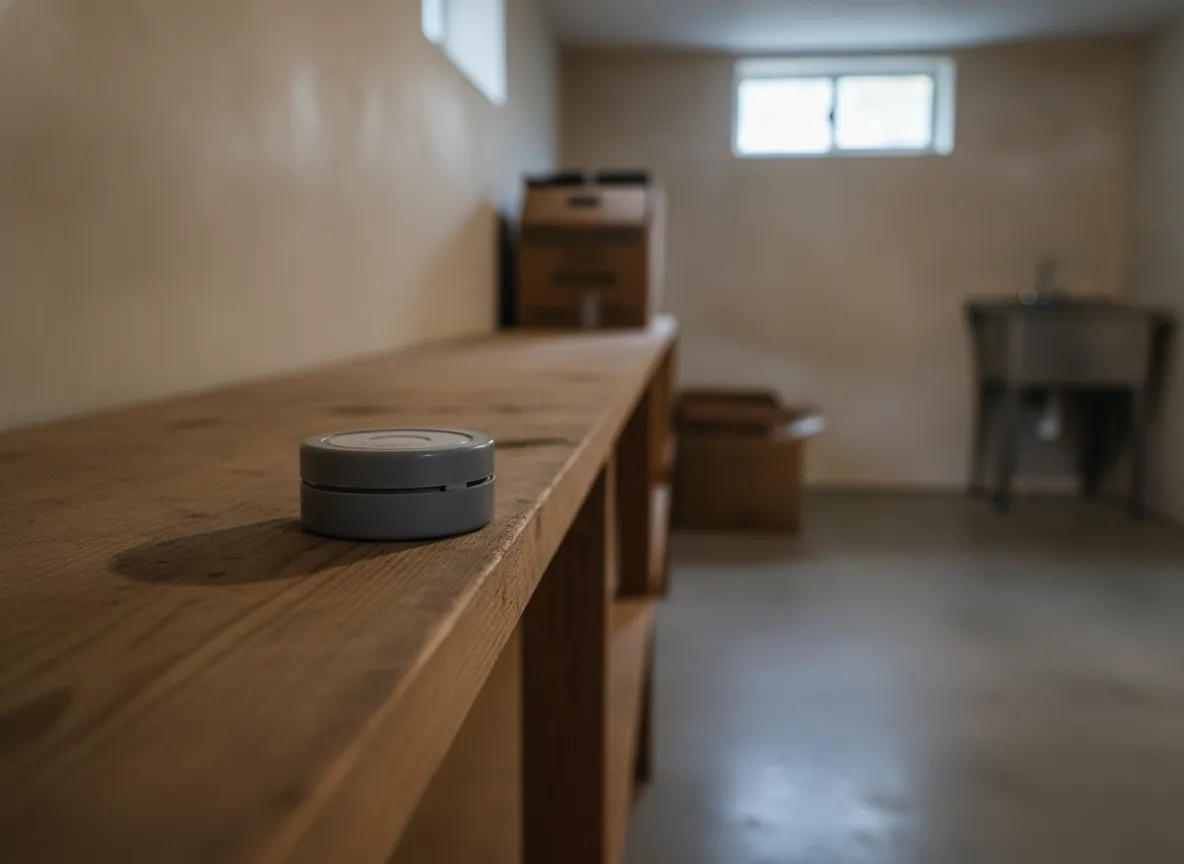
The short test answers one question fast: is the system doing something? It is a screen, for the same reason a short test is a screen before mitigation. Radon swings from day to day.
The winter long-term test is the real answer. It is the number to compare with your original result and to keep with your house records. Health Canada's guideline asks that a fix bring radon down as far as practicable, not merely under the line, so a result just below 200 Bq/m³ is worth a conversation about whether the system can do better.
The five-year test catches slow change: a fan wearing out, a crack opening in the slab, a house that has been tightened up since. If you sell, a recent long-term result is also the clearest record you can hand a buyer that the system still does its job.
Retest after renovations
BC's building code bulletin on radon recommends testing after an alteration, especially one that changes the building envelope or the ventilation. In practice that means new windows or air sealing, a new ventilation system, or finishing the basement.
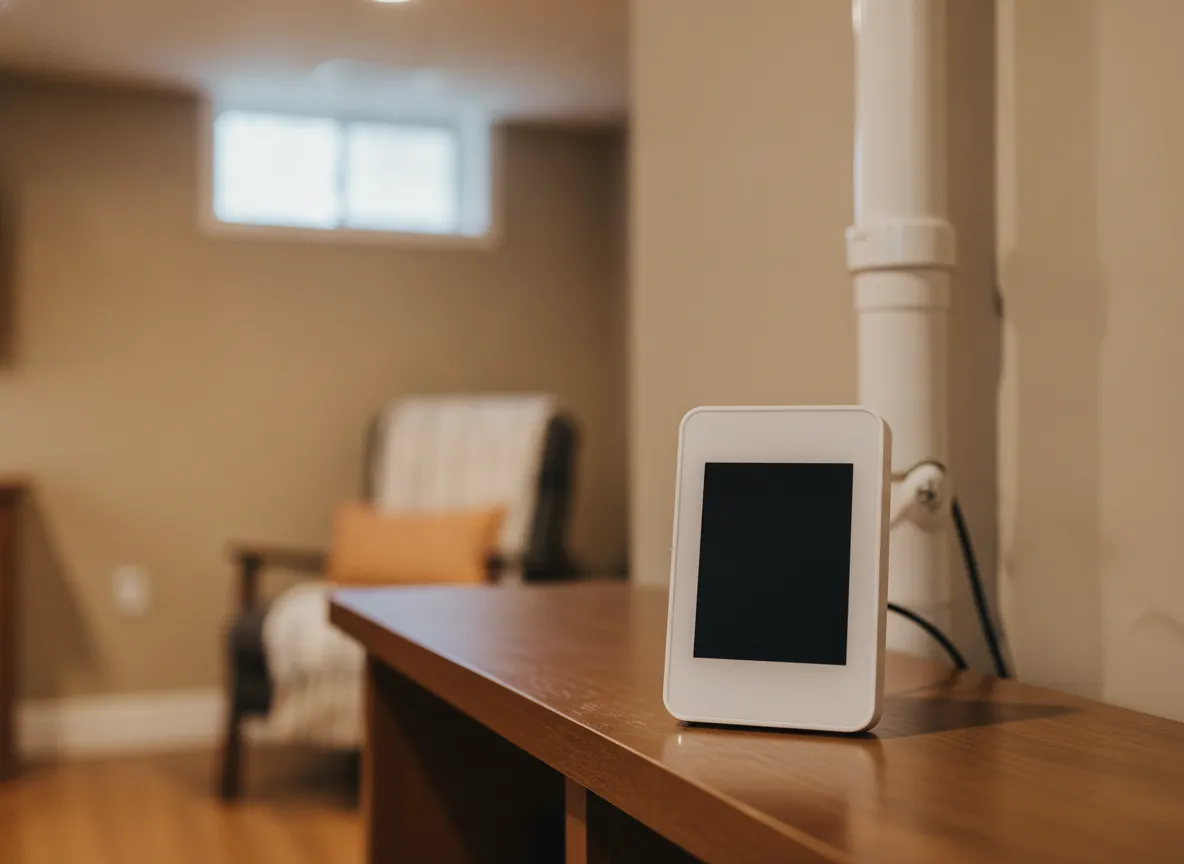
Finishing a basement matters twice. A tighter house can hold more radon, and a basement that becomes a bedroom or office becomes the room Health Canada's guideline is concerned with, because someone now spends more than four hours a day there. The next test belongs in that room.
Checking the manometer between tests
At start-up, the installer zeroes the gauge and labels the pipe with the starting pressure, as the installation checklist requires. After that, glance at it now and then. Two liquid columns sitting at different heights mean the fan is pulling. Columns sitting level mean it is not. A reading that has drifted well away from the label means something has changed: a blocked outlet, a failing fan or a new opening in the slab.
Fans are quiet, and Ontario's home construction regulator points out that the gauge is often the only sign one has stopped. A healthy gauge still does not replace the five-year test.
Booking a retest
We place the short check and the long-term tests, record where each one sits, and explain the results. If a result comes back high, the next step is adjusting the system, which our radon mitigation page covers. If you have not tested at all yet, start with radon testing.
It does not matter who installed your system; we test it the same way. Tell us on the quote form when your system went in and where your original test sat. We reply by email within one business day.
Questions we hear
How soon after mitigation should I retest?
Twice in the first year. Health Canada's factsheet calls for a short-term test once the system is on, which the installation checklist starts about 24 hours after the fan starts and runs for at least 48 hours. Then a long-term test of at least 91 days during the first heating season, in the same location as your original test.
How often should I retest for radon?
Every five years after the first year, according to Health Canada's factsheet, along with regular inspection of the system. Retest sooner after renovations that change the building envelope or ventilation, as BC's building code bulletin recommends, and whenever the manometer reading changes noticeably.
My manometer looks fine. Do I still need to retest?
Yes. The gauge shows the fan is creating suction under the floor. It does not measure radon in your living space. A fan can pull well and still leave part of the house under-served, which only a long-term test in the room you use will show. Treat the gauge as a quick visual check and the test as the proof.
Where should the retest go?
In the same spot as your original test, so the numbers compare fairly. Health Canada's factsheet asks for that in the first heating season after install. If you have since finished the basement and started using it, test there as well, because it is now the lowest room someone spends time in.
What if the retest is still over 200 Bq/m³?
The system needs adjusting. That can mean sealing more openings, checking the fan and gauge, or adding a suction point. Health Canada says most homes readily get below the guideline, and only a very small number stay above it despite reasonable work. Send us the result on the quote form and we will explain the options.
Sources (6)
- Health Canada: Reduce radon in your home, factsheet (September 2026) (accessed 2026-11-17)
- Health Canada: Radon guideline (accessed 2026-11-17)
- Radon mitigation system installation checklist based on CAN/CGSB-149.12 (March 2020) (accessed 2026-11-17)
- BC Building and Safety Standards Branch: Bulletin B24-03-R, Radon rough-in requirements (revised January 2025) (accessed 2026-11-17)
- Home Construction Regulatory Authority (Ontario): Radon consumer guide (accessed 2026-11-17)
- Take Action on Radon: Protect yourself from radon (accessed 2026-11-17)