How common is high radon in Castlegar?
48% of 1,261 tested Castlegar homes were over Health Canada's guideline of 200 Bq/m³ in BC Lung's community testing report, with a margin of error of about 1.2 points. That is the largest sample in the region and the highest share among the West Kootenay towns in the report. The same report has 37% of 909 tested Nelson homes and 30% of 472 tested Trail homes over the line.
Treat it as a sample. People submit tests because they chose to test, and BC Lung notes that this self-selection may push the share above what a random survey would find. Even so, with more than twelve hundred results, the pattern is hard to wave away. Bq/m³ (becquerels per cubic metre) counts radon atoms decaying each second in a cubic metre of air.
What did Castlegar's radon pilot change?
Castlegar has been at the front of this for more than a decade. In 2014 the city took part in a BC Lung radon mitigation pilot; eight of its 16 homes were in Castlegar and Nelson (My Nelson Now, October 2014). Testing reported in early 2015 found 59% of the tested Castlegar homes over the national guideline, though the report did not say how many homes that round covered. Council then asked the province to help pay for mitigation (My Nelson Now, February 2015).
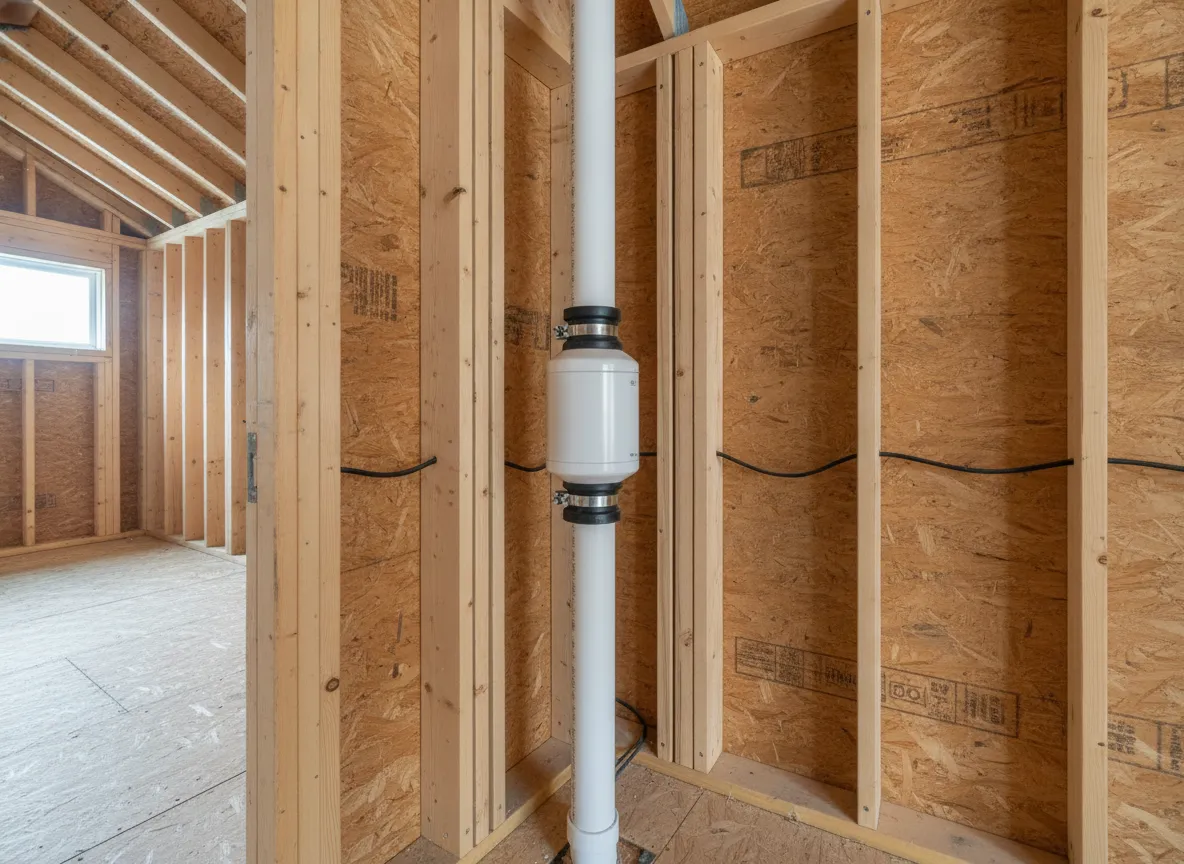
The same reporting credits Castlegar with lobbying for the building code change that followed. Castlegar was among the places where new homes needed a radon rough-in, a vent pipe set under the slab so a fan can be added later, years before the rule went province-wide in March 2024 (The Tyee, 2026). The Tyee and Interior Health date that regional rule to 2012, the year of the code edition; local reporting in October 2014 said the province would bring in the radon code changes that December 19, after the pilot.
So a Castlegar house built in the last decade should have a rough-in. Should is the word that matters: in a 2022 field study of Interior homes, BC Lung found the vast majority of rough-ins had flaws that would undermine them. Older houses were never required to have one.
What do we do for Castlegar homes?
The same four services we offer everywhere we work:
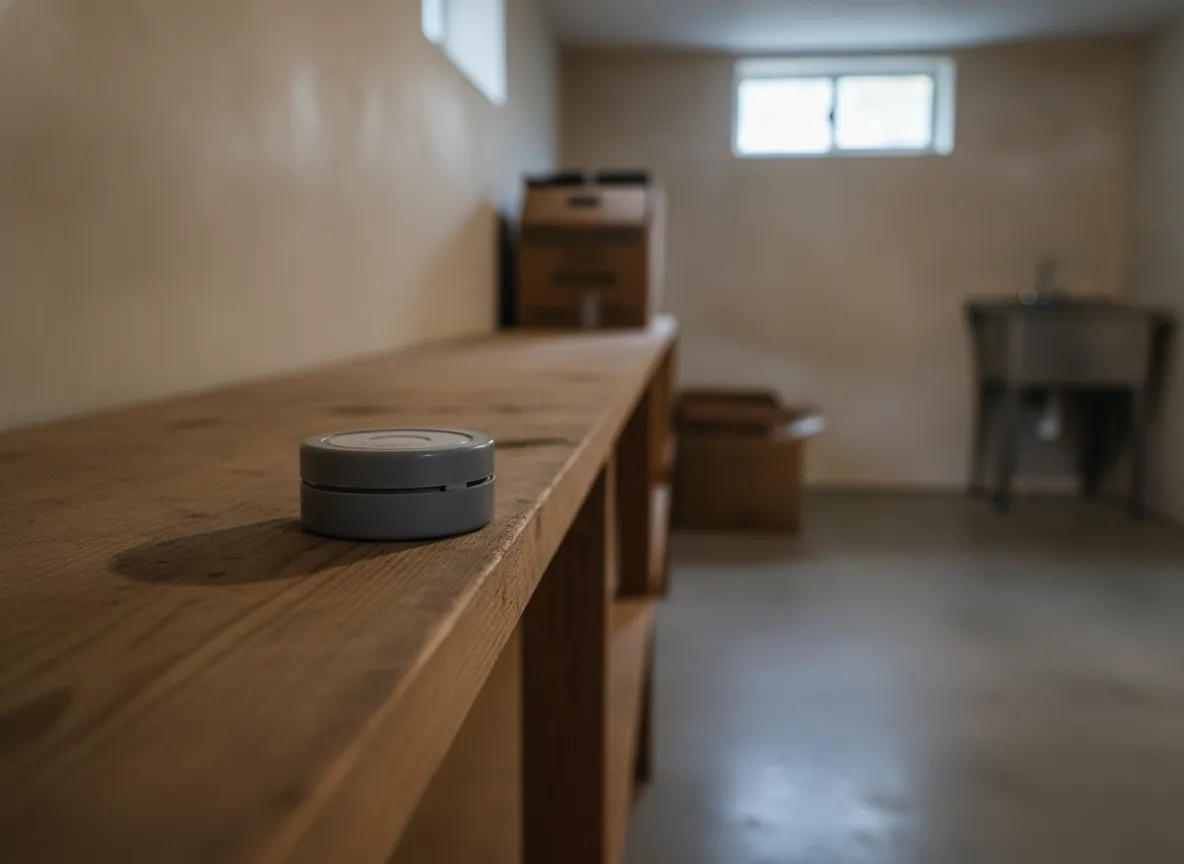
- Radon testing: a long-term test of at least 91 days through the heating season, placed in the lowest level you use for four or more hours a day.
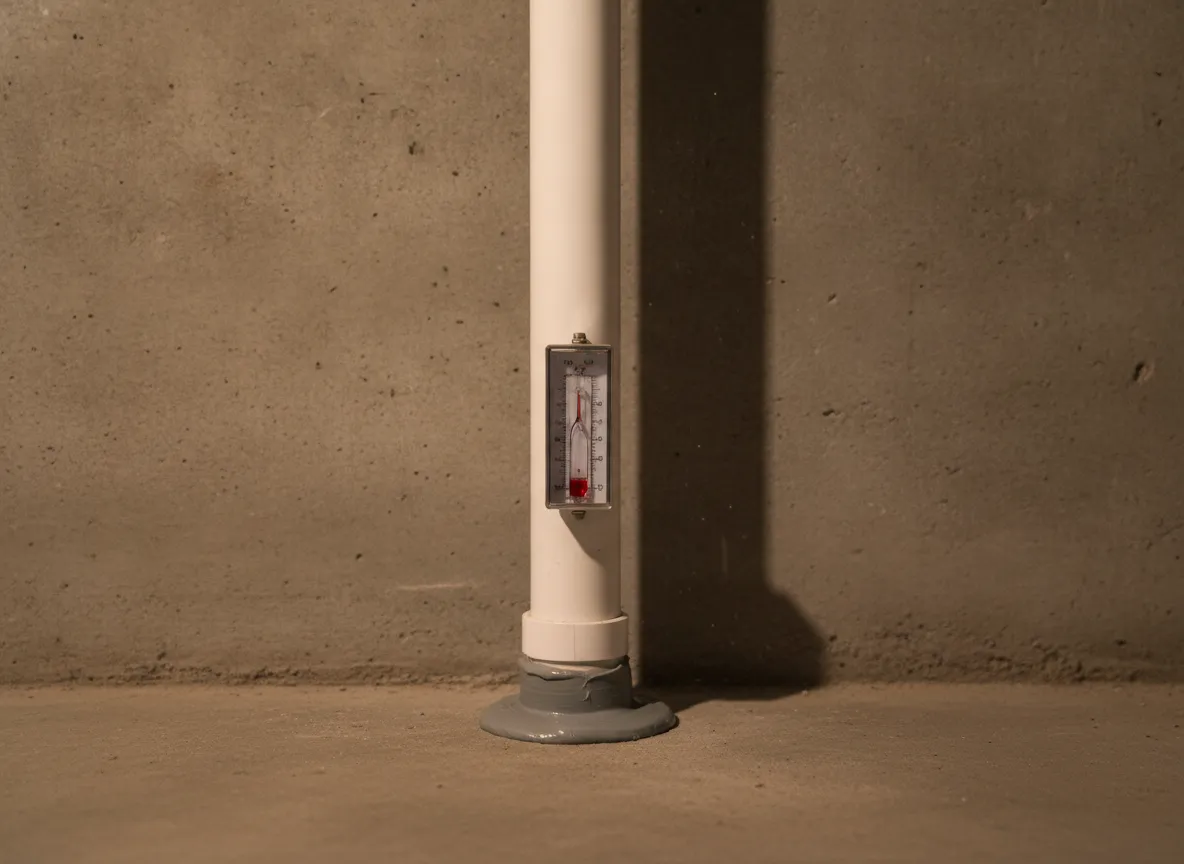
- Radon mitigation: sub-slab depressurization, a pipe and fan that draw soil gas from under the floor and vent it outside, with sump and crawl space sealing where the house needs it.
- Rough-in activation: adding a fan to the vent pipe a newer Castlegar home may already have, after checking the pipe was built right.
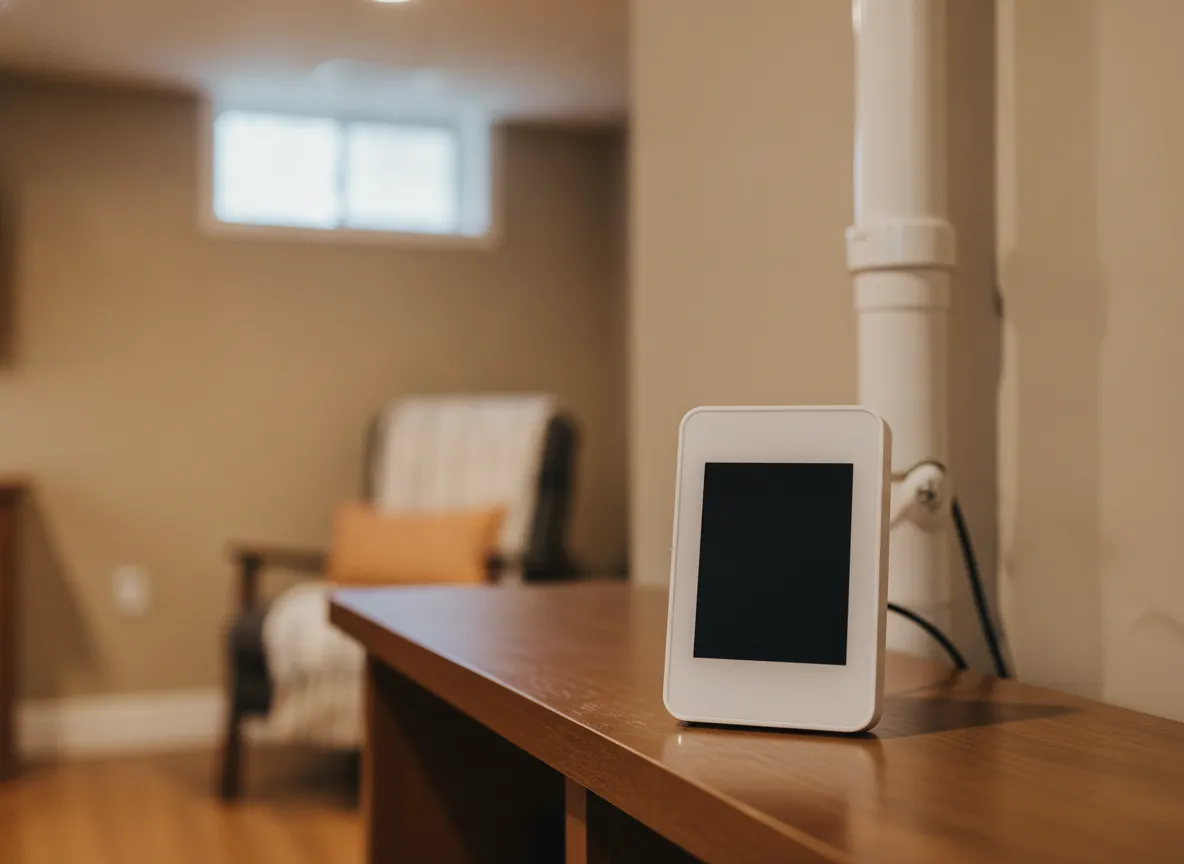
- Post-mitigation retesting: a long-term test in the same spot as the first, so you can see whether the system worked.
What does it cost, and how do you start?
Mitigation is typically $1,500 to $4,000 in BC, more for crawl spaces or complex older homes (The Tyee, 2026; BC Lung). The Lung Association grant can cover up to $1,500 for eligible households, and the cost page explains what moves the price. Send your address and any result you already have through the quote form. We reply by email within one business day.
Areas around Castlegar we cover
Kinnaird, South Castlegar, Blueberry, Robson, Ootischenia.
Nearby towns
We also test and install in Nelson, Trail, Kaslo and the rest of the West Kootenay. See all service areas.
Questions we hear
My Castlegar house was built after 2014. Is the rough-in enough?
Not on its own. A rough-in is a passive pipe with no fan, and BC Lung's 2022 field study found most rough-ins it inspected in the Interior had significant flaws. Run a long-term test of at least 91 days in your first heating season. If the result is 200 Bq/m³ or more, adding a fan to a sound rough-in is usually the simplest fix, about $1,500 for a simple one-day job (The Tyee, 2026).
Does Castlegar's 48% figure mean my house is high?
No. It means 48% of 1,261 tested Castlegar homes were over 200 Bq/m³ in BC Lung's community data, and those homes were tested because their owners chose to. Your result depends on your foundation, soil, crawl space and how air moves in your house. Interior Health says even neighbouring homes can differ a great deal. A long-term test is the only way to know.
Sources (7)
- BC Lung Foundation: Radon in BC, Does Your Community Need to Test? (Report on Radon Community Testing, 2023) (accessed 2026-11-17)
- My Nelson Now: Local role in radon code changes (October 2014) (accessed 2026-11-17)
- My Nelson Now: Castlegar wants provincial help for radon mitigation (February 2015) (accessed 2026-11-17)
- The Tyee: Homeowners Left on Their Own to Deal with Deadly Gas (January 2026) (accessed 2026-11-17)
- Interior Health: What to do if you have high levels of radon in your home (January 2025) (accessed 2026-11-17)
- BC Lung Foundation: Radon and the BC Building Code, Assessing Implementation (November 2022) (accessed 2026-11-17)
- Canadian Lung Association: Lungs Matter, Radon Mitigation Support (accessed 2026-11-17)