What do we do?
Four services, all about radon in homes:
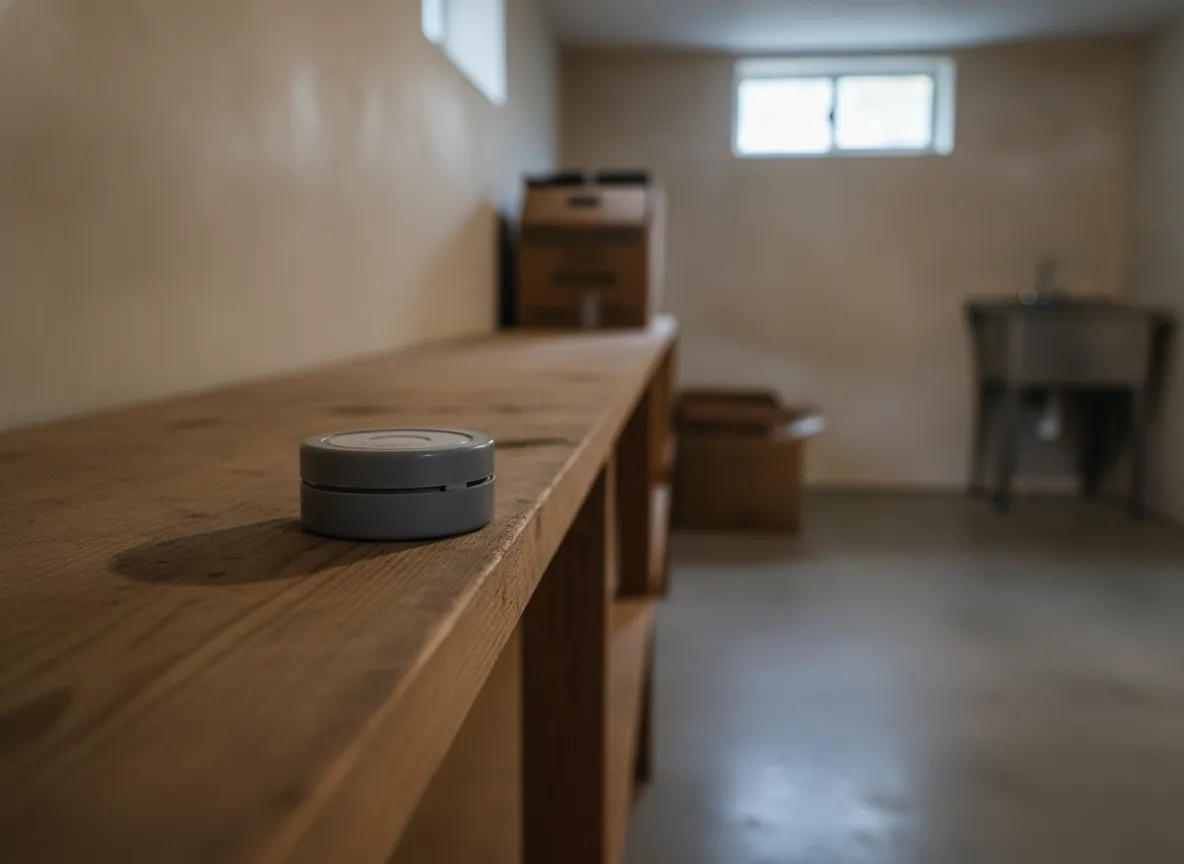
- Radon testing: long-term tests of at least 91 days, plus short screening tests where a home sale makes timing tight, labelled as screening.
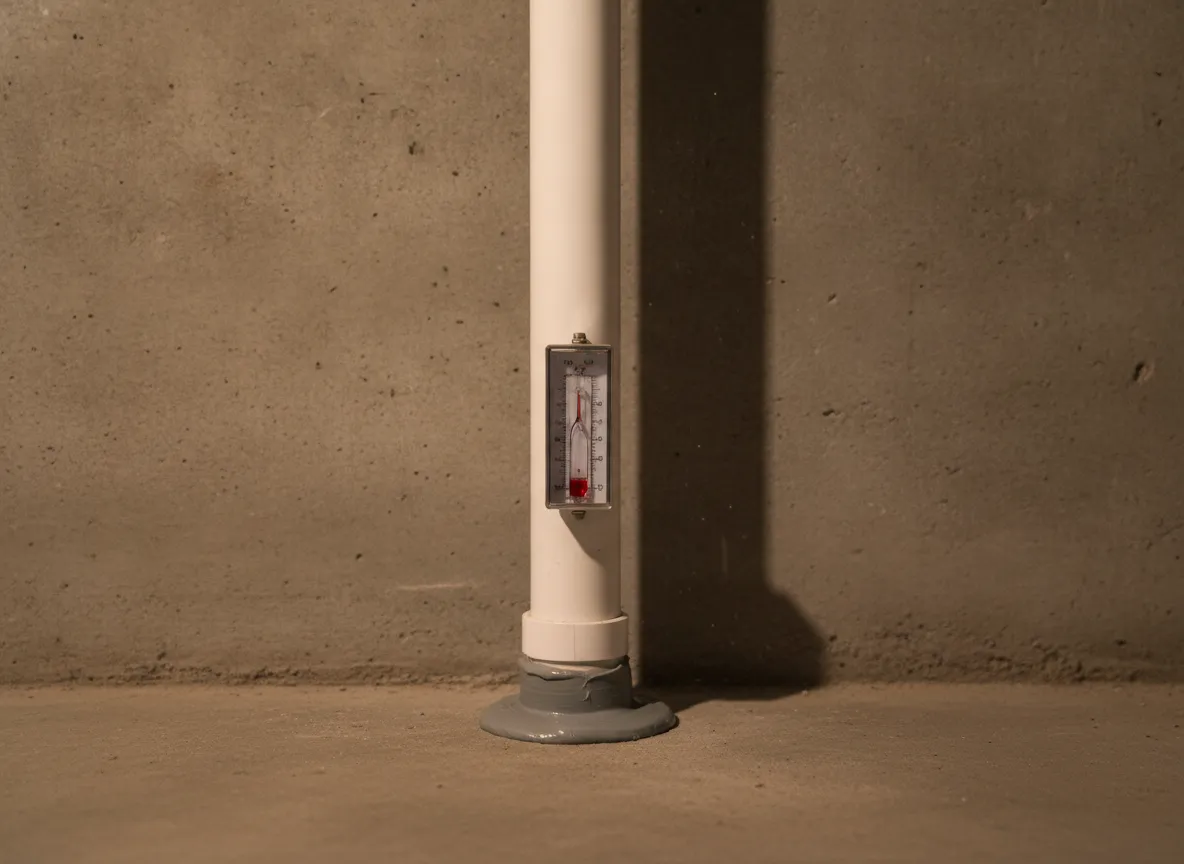
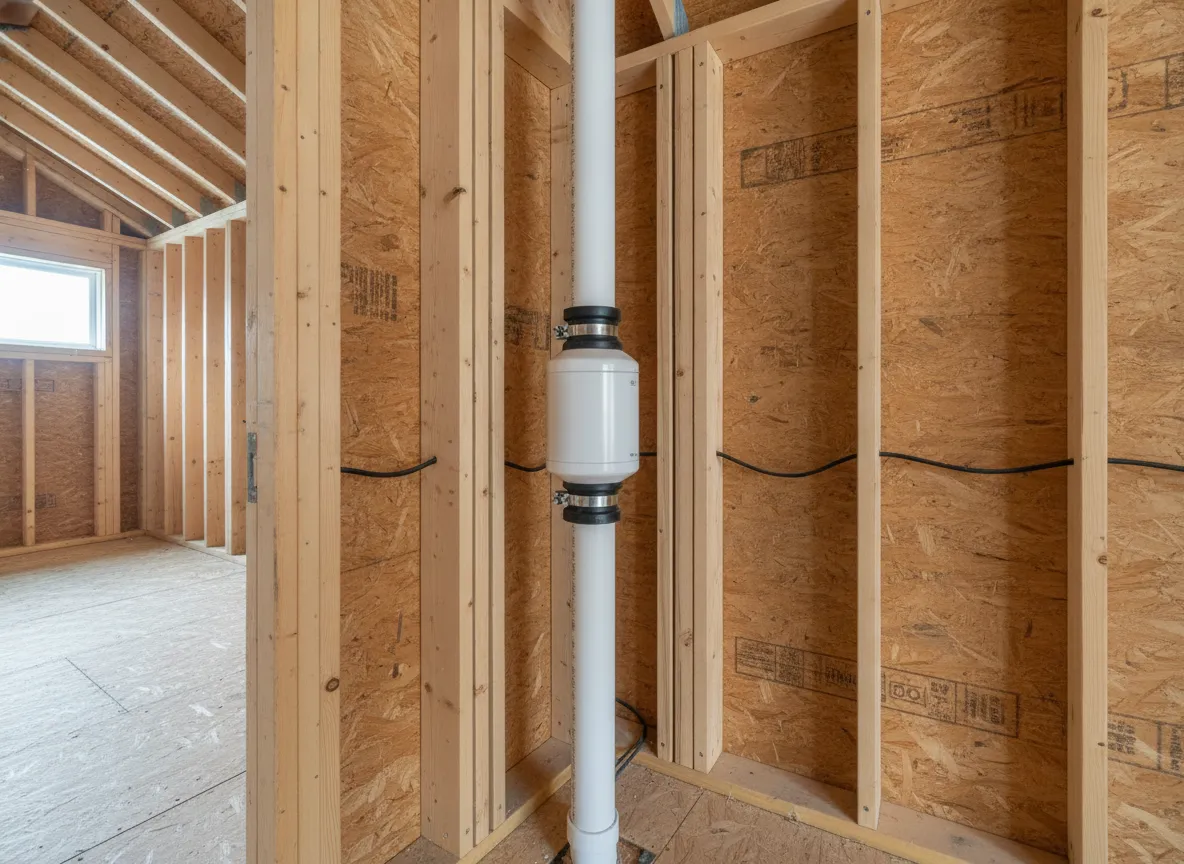
- Radon mitigation: sub-slab depressurization, a pipe and fan that pull soil gas from under the floor and vent it outside, with sump and crawl space sealing as part of the system.
- Rough-in activation: adding a fan to the radon pipe that newer BC homes are built with.
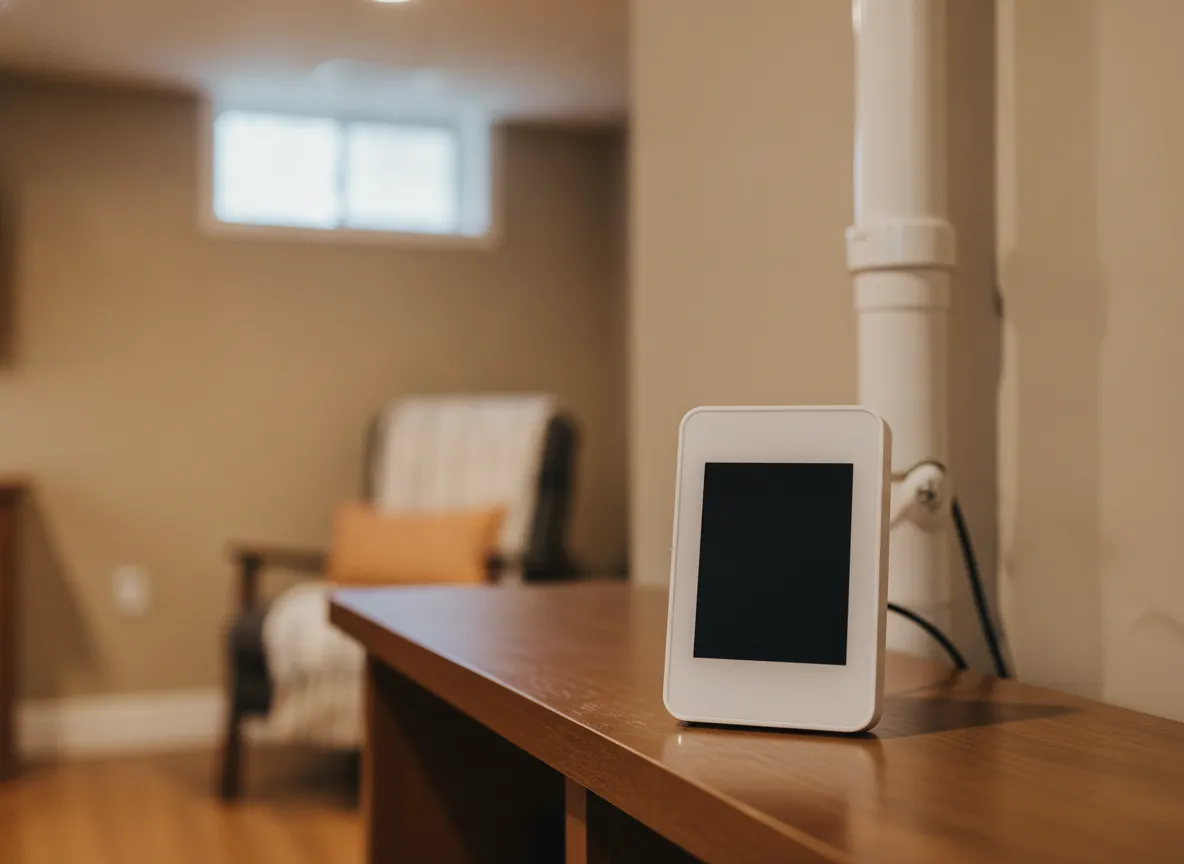
- Post-mitigation retesting: the follow-up test that shows whether a system works.
What don't we do?
That list is the whole business. We do not do heating or ventilation work, water treatment, home inspections or commercial radon programs. If your house needs one of those, we will say so and leave it to that trade. Keeping the list short means every answer you get from us is about radon in your home.
How do we work?
- Measure first. Advice starts from a long-term test of your house, not a town average or a neighbour's result. Interior Health says homes next to each other can have very different levels.
- Numbers with sources. When we give a statistic, a price range or a health figure, we name where it came from: Health Canada, Take Action on Radon, BC Lung, Interior Health or published reporting. When the sources disagree, we tell you.
- Plain written results. You get the result in writing, with what it means against Health Canada's guideline of 200 Bq/m³ and what your options are, including waiting and retesting.
- Retest to prove it. A system has worked when a follow-up long-term test says so, in the same spot as the first test (Health Canada). We recommend that retest after every system we install.
What about certification?
BC Lung says any person can do home radon mitigation in BC; no rule limits who may install a system. Health Canada recommends a professional certified under the Canadian National Radon Proficiency Program (C-NRPP), and the Canadian Lung Association grant of up to $1,500 requires a quote from a C-NRPP certified mitigator.
So we tell every customer the same thing. Before you rely on any quote for the grant, ours included, ask the installer for their C-NRPP number and check it in the C-NRPP directory. It takes a minute, and it protects grant money you may be counting on. The grant page covers the rest of the rules.
Why does a local radon business make sense here?
Radon is a Kootenay issue. In BC Lung's community testing report, 37% of 909 tested Nelson homes were over 200 Bq/m³, and the share was 48% of 1,261 tested homes in Castlegar. The houses here bring their own questions: basements, crawl spaces, older stock, rural wells, and since 2024 new homes with rough-ins that still need a test.
Tell us your town and any result you have on the quote form. We reply by email within one business day. Our service areas page lists the towns we cover.
Sources (8)
- BC Lung Foundation: Radon in BC, Does Your Community Need to Test? (Report on Radon Community Testing, 2023) (accessed 2026-11-17)
- Interior Health: What to do if you have high levels of radon in your home (January 2025) (accessed 2026-11-17)
- Health Canada: Reduce radon in your home (factsheet, 2026) (accessed 2026-11-17)
- The Tyee: Homeowners Left on Their Own to Deal with Deadly Gas (January 2026) (accessed 2026-11-17)
- BC Lung: RadonAware frequently asked questions (accessed 2026-11-17)
- BC Lung Foundation: Radon and the BC Building Code, Assessing Implementation (November 2022) (accessed 2026-11-17)
- Canadian Lung Association: Lungs Matter, Radon Mitigation Support (accessed 2026-11-17)
- C-NRPP: Professional directory (accessed 2026-11-17)