How to test house for radon: 91 days on your lowest lived-in floor
Use a long-term test, leave it in place for at least 91 days during the heating season, and put it in the lowest room where someone spends real time. Then the lab reads it and you compare the result with Canada's guideline of 200 Bq/m³. Bq/m³, becquerels per cubic metre, measures how much radioactive gas is in each cubic metre of air.
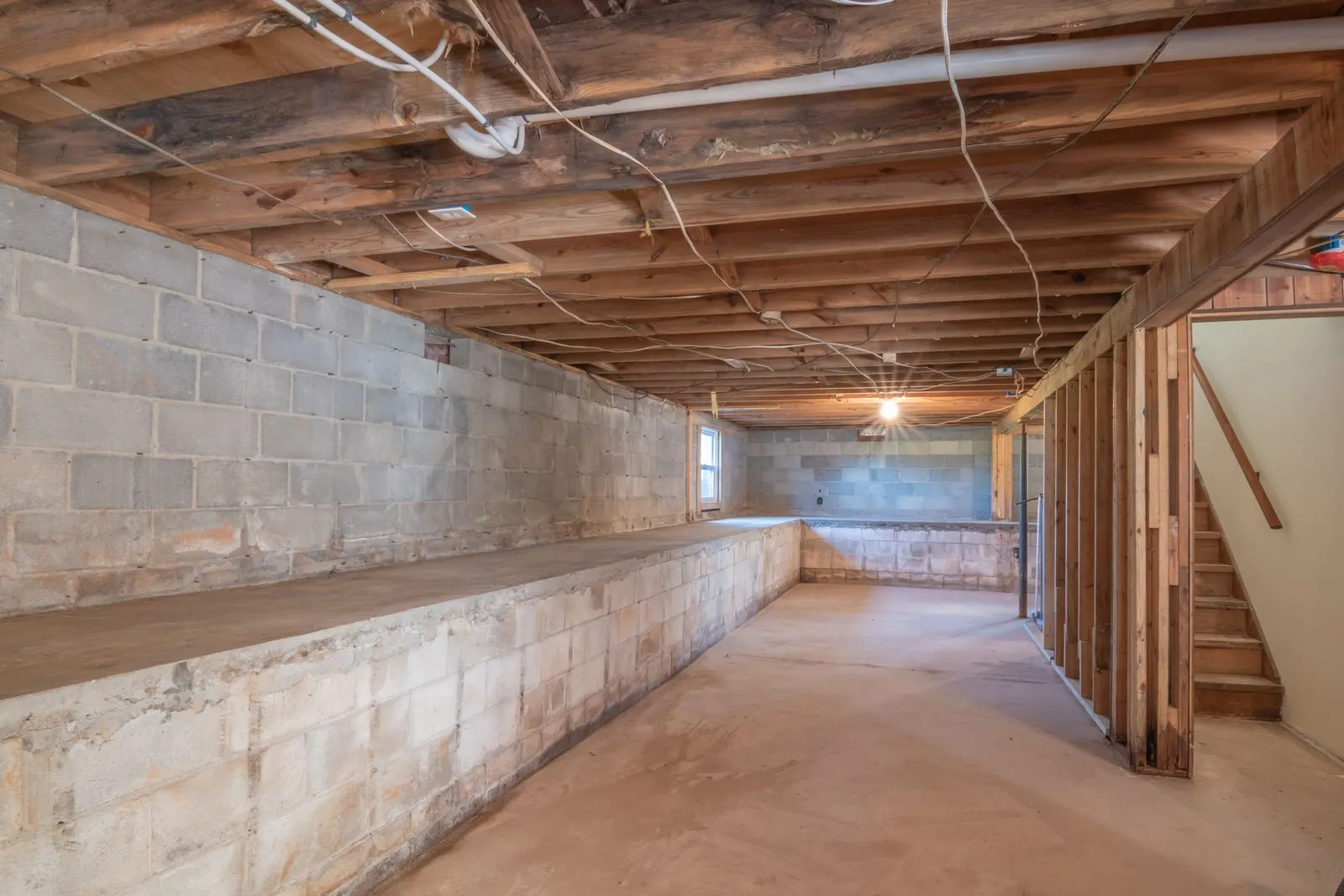
Placement decides whether the number means anything. Health Canada's guideline applies to the normal occupancy area: any part of the house where a person spends more than four hours a day. A finished basement with a bedroom, office or family room counts. A crawl space, unfinished basement, cold room, furnace room or laundry room does not, so the test does not go there. Keep it away from drafts and open windows, which dilute the air around it.
Season matters as much as place. Take Action on Radon says levels run highest in winter, when houses are shut tight and warm indoor air pulls soil gas in, and recommends 91 days in the heating season. A test started in mid-November comes down in mid-February; the lab result follows.
- Choose a long-term test that runs 91 days or more.
- Place it in the lowest room someone uses more than four hours a day.
- Leave it alone through the heating season.
- Send it to the lab and compare the result with 200 Bq/m³.
Long-term kits, digital monitors and short tests
Three kinds of test turn up in Kootenay homes, and only one gives the number the guideline is built on.
| Test | How long | What it tells you | Accepted for the Lungs Matter grant? |
|---|---|---|---|
| Long-term alpha-track kit | 91 days or more | Your average level, the figure the 200 Bq/m³ guideline uses | Yes, if it is a C-NRPP certified long-term kit |
| Digital monitor | As long as it runs | Day-to-day swings and trends; a long-term average only if run for 91 days or more | No; the form asks for a long-term test kit report |
| Short-term test | Days | A quick screen; levels swing too much to compare with the guideline | No |
Kits, monitors and short tests: when each one earns its place
An alpha-track detector is a small passive device, often about the size of a hockey puck, that records hits from radon's radiation on a plastic film. A lab counts them when the test ends. Long-term kits cost $50 to $200 depending on provider (The Tyee, January 2026). BC Lung lends kits through public libraries, but those loans last four weeks, short of the three months Health Canada recommends.
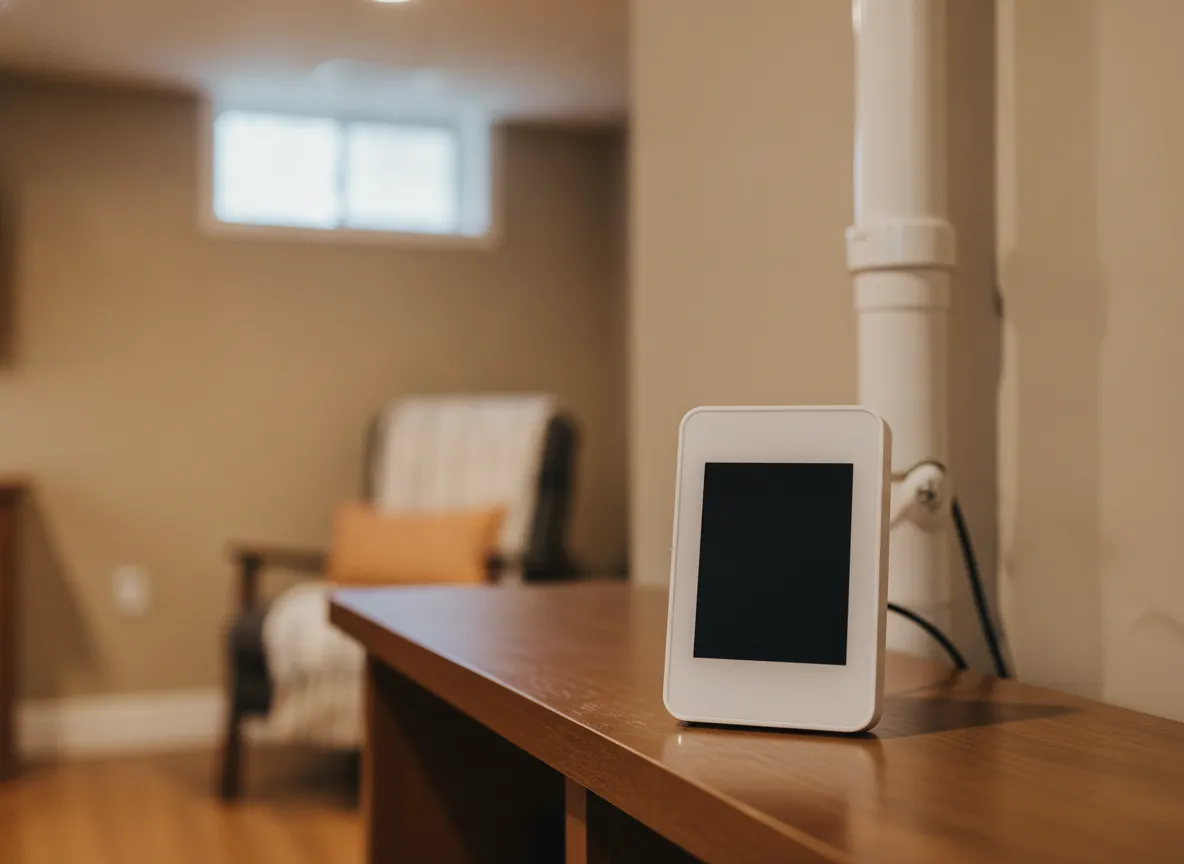
A digital monitor shows readings as it goes, which helps when you want to watch a house over time or confirm a system is working. Before buying one, researcher Aaron Goodarzi advises checking it against the national radon proficiency program's approved list, and an installer quoted by The Tyee warns that many detectors sold through Amazon have been recalled by Health Canada. We use monitors for trends and a long-term kit for the number you act on.
A short test runs days, not months. Radon changes from day to day and season to season, so a short result is a screen. It can tell you whether to move faster. It cannot tell you whether your annual average is over the guideline.
What your radon result means
Compare the long-term average with 200 Bq/m³. Below it, Take Action on Radon suggests retesting within five years, because levels change over time. At or above it, Health Canada recommends reducing the level within one year, and sooner the higher the reading. Health Canada also says no level is risk free. The guideline marks where action is recommended, not a clean line between safe and unsafe.
Take Action on Radon publishes the lifetime lung cancer risk at each level, and smoking multiplies it.
| Radon level | Lifetime risk | Lifetime risk if you smoke |
|---|---|---|
| Under 100 Bq/m³ | 1% | 12% |
| 100 to 199 Bq/m³ | 1.5% | 15% |
| 200 to 599 Bq/m³ | 2% | 17% |
| 600 Bq/m³ and over | 4% | 26% |
This is general information, not medical advice. Questions about your own health belong with your doctor.
Testing when you buy or sell a house
A proper test takes three months. If you are buying, that often means the long-term result arrives after you own the house. BC real estate agents must tell clients about radon and ask about known levels, but nobody has to test or share a result (The Tyee).
That leaves three honest options. Sellers can test the winter before listing and hand buyers a real number. Buyers can ask whether a long-term result already exists. Or buyers can run a short test or monitor during the deal, treat it as a screen, and start a 91-day test after possession.
Why a neighbour's result says nothing about your house
Radon depends on the soil under one foundation and on how that house is built, sealed and ventilated. Take Action on Radon notes levels vary widely between homes on the same street, and BC's building code bulletin on radon says the same about neighbouring houses.
Local numbers set expectations: 37% of 909 tested Nelson homes were over 200 Bq/m³ (BC Lung community testing report). They cannot tell you which side of the line your house sits on. They are also tests people chose to send in, and BC Lung says self-selected testing may overstate risk compared with a random sample.
What we do on a testing visit
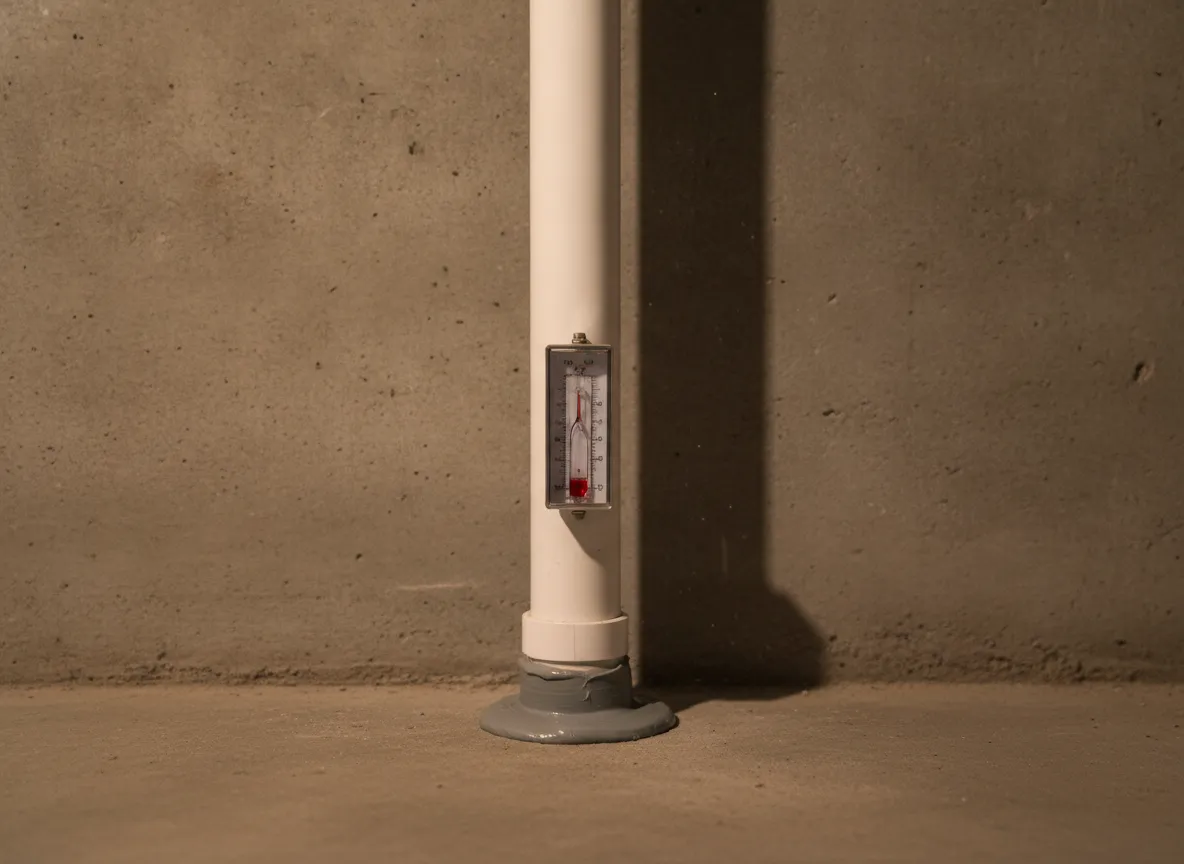
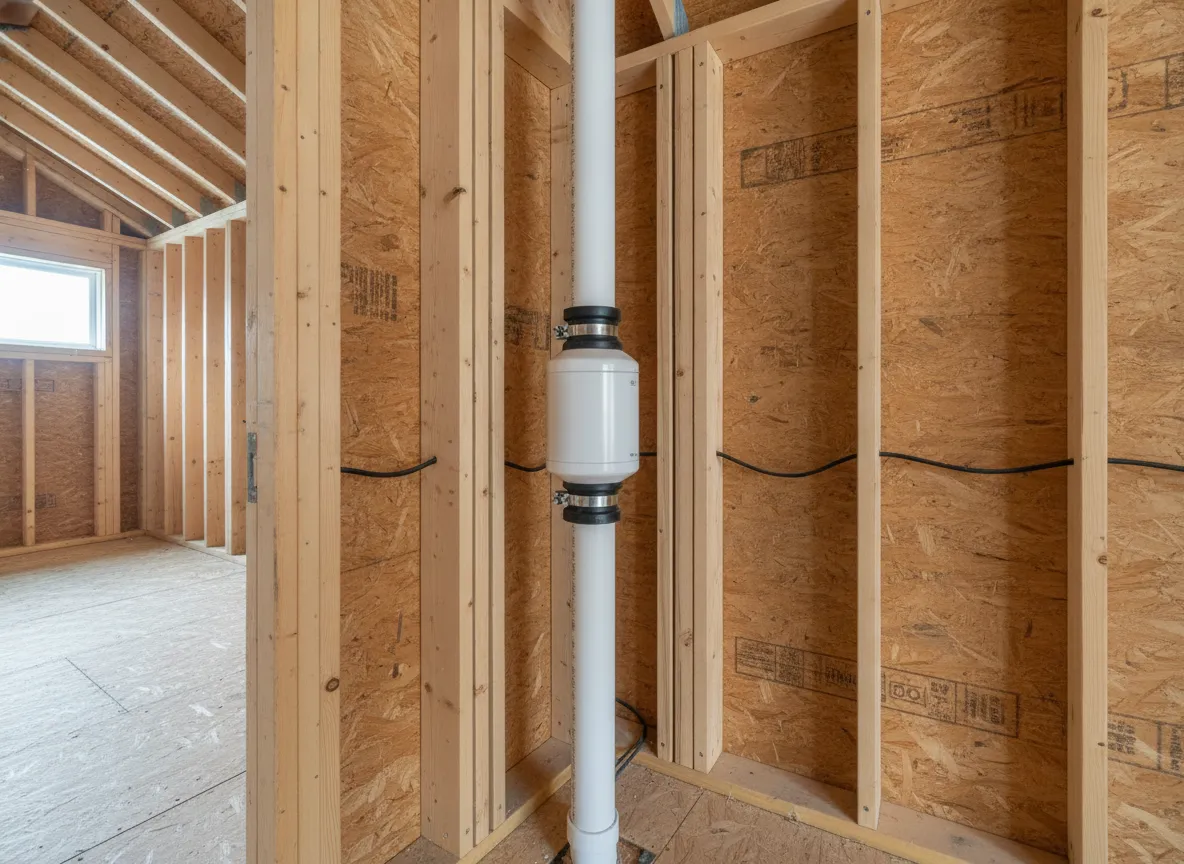
We place long-term kits and digital monitors, note exactly where each one sits so a later test can go in the same spot, and explain the lab result in plain terms when it comes back. If the number is high, we walk you through radon mitigation and whether the Lungs Matter grant fits your household. If your house is a new build with a radon pipe, the same test tells you whether to activate it with a fan.
Tell us about your house on the quote form. We reply by email within one business day.
Questions we hear
How long does a radon test take?
A long-term test runs at least 91 days, ideally through the heating season. That is the length Canada's 200 Bq/m³ guideline is based on. Add a short wait for the lab to read the detector. A short test takes days, but it only screens, because radon levels change from day to day and season to season.
Can I test for radon in summer?
You can, but the result tends to read low. Take Action on Radon says levels are generally highest in winter, when windows stay shut, and that open summer windows often reduce them. A summer result under 200 Bq/m³ does not rule out a winter problem. If you test in summer anyway, plan a 91-day test the following heating season.
Is a digital radon monitor good enough?
For watching trends, yes, if the model is on the national approved list. For the number you act on, a long-term kit is safer, and the Lungs Matter grant asks for a long-term kit report, so a monitor reading will not qualify. An installer quoted by The Tyee also warns that many detectors sold through Amazon have been recalled by Health Canada.
Where does the test go if my house has a crawl space?
In the lowest room people actually use, not in the crawl space. Health Canada's guideline counts areas where someone spends more than four hours a day, and it leaves crawl spaces, unfinished basements, cold rooms and laundry rooms out. In a house with a crawl space and no basement, that usually means the main floor.
Where can I get a radon test kit in Nelson?
Long-term kits cost $50 to $200 depending on provider (The Tyee). BC Lung lends kits through public libraries, but the loans last four weeks, shorter than the three months Health Canada recommends. We also place long-term kits and monitors ourselves and explain the result. Use the quote form and we reply by email within one business day.
Sources (9)
- Take Action on Radon: How to test for radon (accessed 2026-11-17)
- Take Action on Radon: Protect yourself from radon (accessed 2026-11-17)
- Take Action on Radon: 100 Radon Test Kit Challenge, Creston community report (August 2026) (accessed 2026-11-17)
- Health Canada: Radon guideline (accessed 2026-11-17)
- BC Building and Safety Standards Branch: Bulletin B24-03-R, Radon rough-in requirements (revised January 2025) (accessed 2026-11-17)
- BC Lung: Report on Radon Community Testing (2023), Table 2 (accessed 2026-11-17)
- The Tyee: Homeowners Left on Their Own to Deal with Deadly Gas (January 2026) (accessed 2026-11-17)
- Canadian Lung Association: Lungs Matter radon mitigation support (accessed 2026-11-17)
- Canadian Lung Association: Lungs Matter grant application form (accessed 2026-11-17)